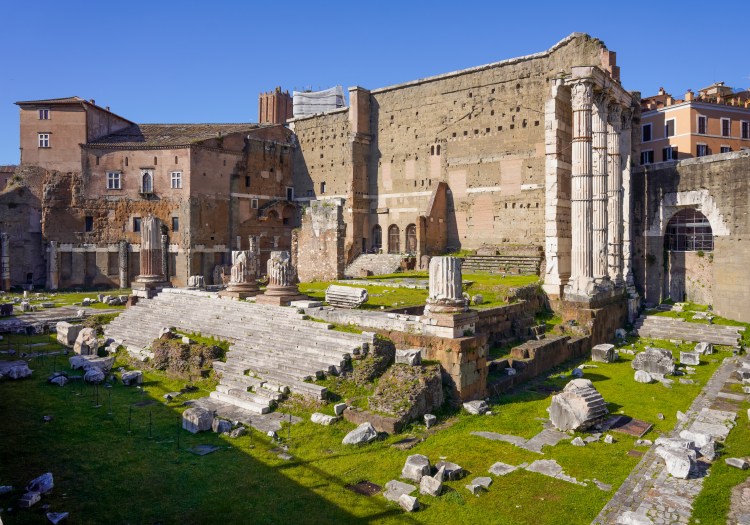
This is the fifth post in our themed series, “Selling the City.“ By Grace Gillies Augustus, Rome’s first emperor, styled himself as the savior of Rome. Despite the fact that he destroyed the Republic when he seized sole power, he depicted himself as the man who would restore its traditions while raising Rome to new […]
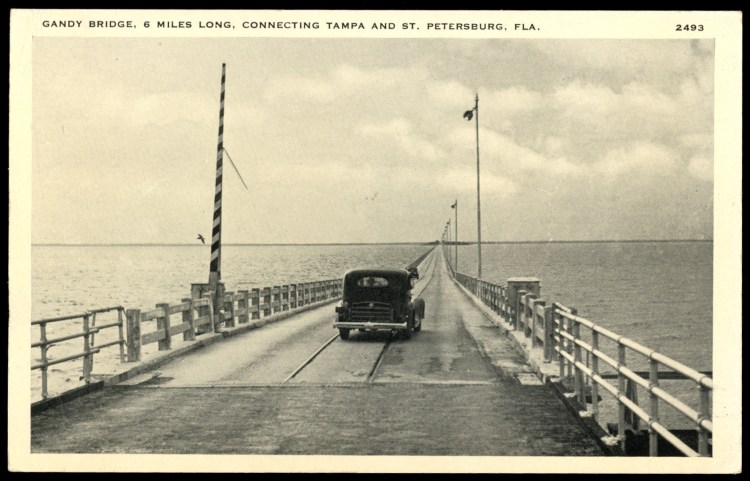
This is the fourth post in our themed series, “Selling the City.“ By Colin J. Wood Philadelphian financier George Gandy arrived in the Tampa Bay region in 1915 to establish a development company to build a bridge connecting the cities of St. Petersburg and Tampa. He refused to bootstrap the bridge’s construction cost, opting instead […]
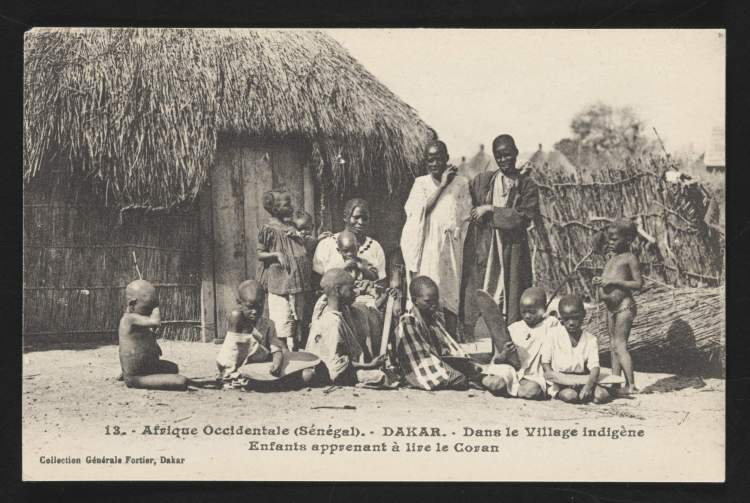
This is the third post in our theme series, “Selling the City.“ By Emerole Clinton In the European imagination of the late nineteenth century, the African city did not quite exist. What existed, instead, was a set of images — orderly and exotic in carefully measured proportions — produced by photographers, missionaries, and colonial administrators […]
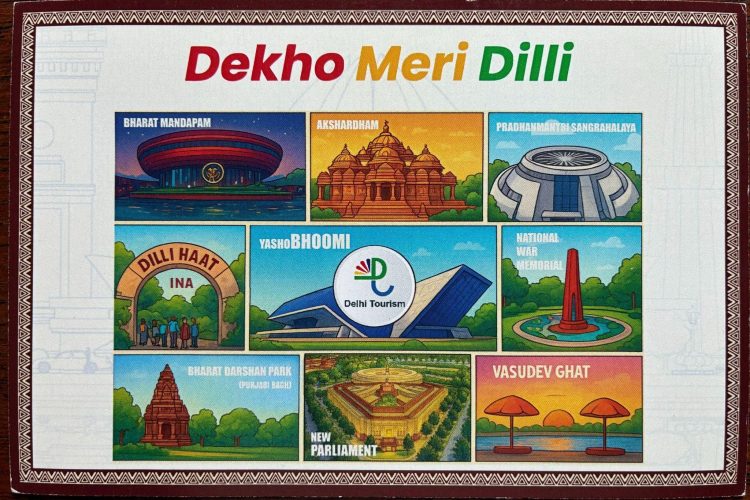
This is the second post in our theme series, “Selling the City.“ By Meenakshi Nair Tucked into the packet of informational brochures handed out at the Delhi Tourism I-Centre in Baba Kharak Singh Marg is a souvenir postcard of Delhi titled “Dekho Meri Dilli,” or “See My Delhi.” It is one element of a sprawling […]
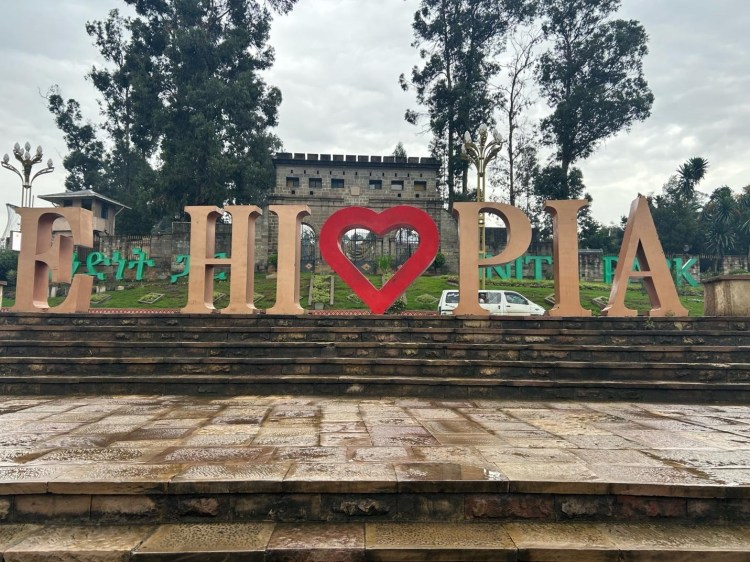
This is the first post in our theme series, “Selling the City.“ By Hannah Borenstein In front of Unity Park in Addis Ababa, Ethiopia, visitors can form the “T” in an “Ethiopia” sign, a photo opportunity reminiscent of Amsterdam’s “I amsterdam” landmark or Philadelphia’s “LOVE” sculpture. The selfie landmark invites visitors to publicly display their […]
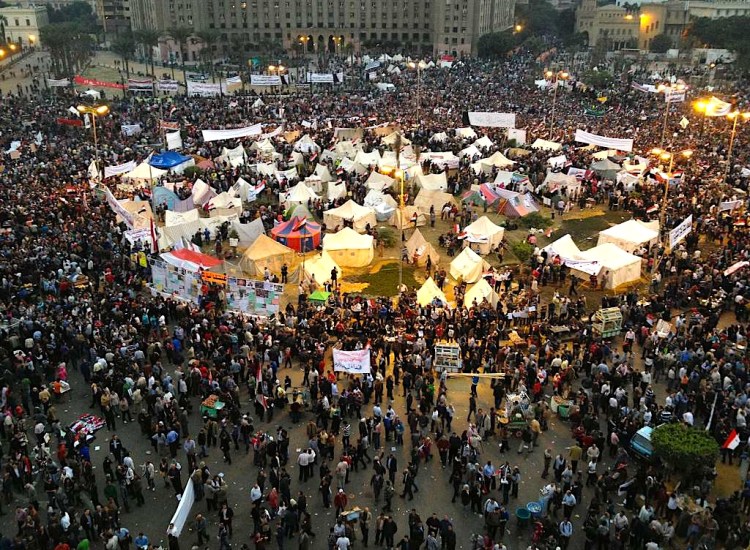
This is the final entry in our 10th Annual Graduate Student Blogging Contest, “Revolution.” By Emi Higashiyama Green on Their Terms: Cairo’s Counterrevolutionary Landscape On January 25, 2011, Cairenes began filling the vast traffic circle at the center of downtown known as Tahrir Square (Midan al-Tahrir, or “Liberation Square”). They stayed for eighteen days, and […]