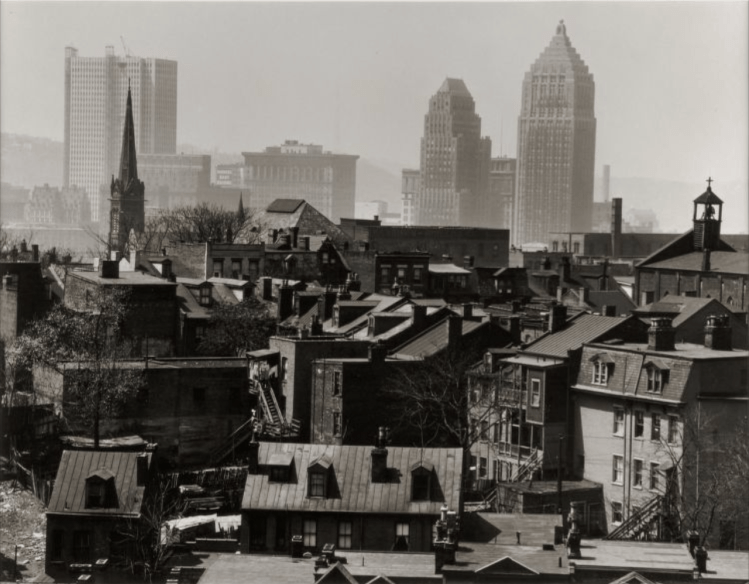
By Dan Holland The passage of Pittsburgh’s first fair housing law in 1958, the second in the nation, and Pennsylvania’s in 1961 (also among the first statewide fair housing laws in the nation), were rare civil rights victories at a time when record numbers of African Americans were being relocated under the federal urban renewal program. The […]
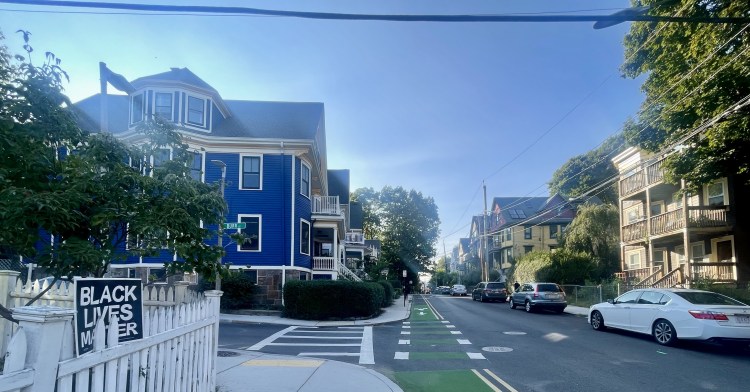
This piece is an entry in our Eighth Annual Graduate Student Blogging Contest, “Connections.” by Joshua Rosen In 1974, when Richard Wise was hired as a community organizer in Boston’s Jamaica Plain,[1] there were thirty-one abandoned buildings in the center of the neighborhood. He remembers cars burning underneath the elevated train line nearly every week.[2] Banks […]
This is the fourth entry in our Metropolis of the Month for November 2023, Washington, DC. By Timothy Kumfer Standing on the sidewalk with a loudspeaker, Walter Pierce addressed the crowd assembled on the 1700 block of Willard Street, NW. “We’re here today to make clear to the rest of the real estate vultures and […]
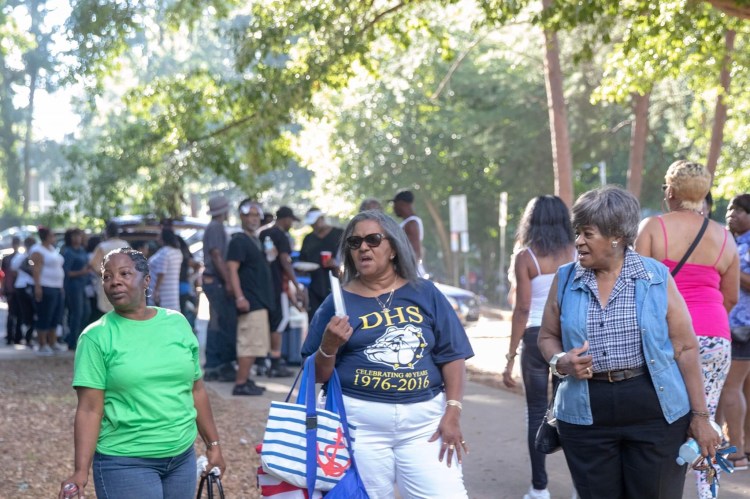
By David S. Rotenstein “Decatur Day is part of history. It’s a part of Black history. It’s a part of the Black culture,” Chevelle Eberhart-Lee told me in a recent interview. “And if this day discontinues, it’s like erasing a part of history.” Eberhart-Lee’s family has been in Decatur for more than a century. Her […]
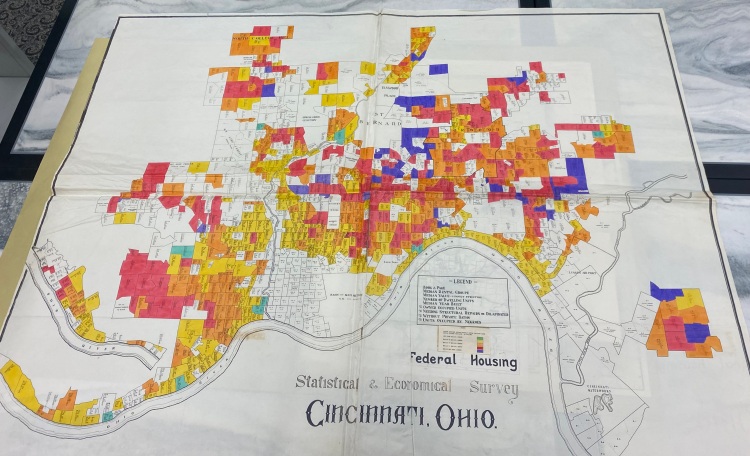
By Lawrence T. Brown In his critical essay “The Tyranny of the Map: Rethinking Redlining,” historian Robert Gioielli asserted that many people have developed a distorted view of the Residential Security Maps drafted by the Home Owners Loan Corporation (HOLC). Gioielli warned that HOLC maps often obscure the role of local actors in drafting and enforcing […]
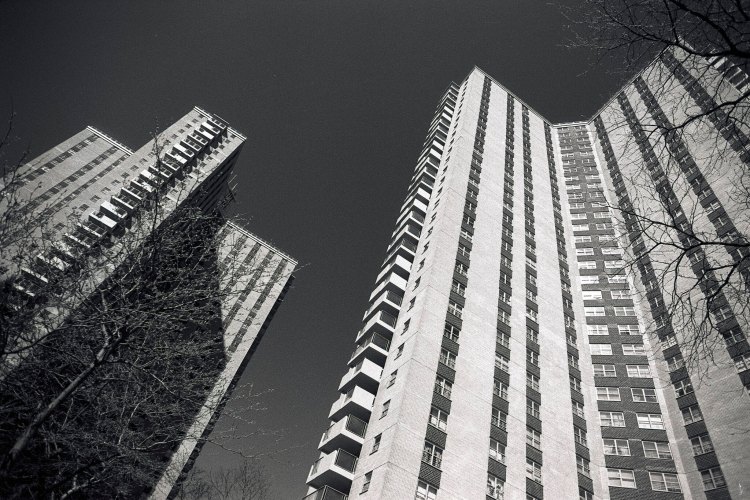
Sammartino, Annemarie H. Freedomland: Co-op City and the Story of New York. Ithaca, NY: Cornell University Press, 2022. Reviewed by Katie Uva East of I-95 and west of the Hutchinson River Parkway, on 320 acres of marshy land that was once, briefly, home to a United States-themed (and United States-shaped) amusement park called Freedomland, stands […]
By Robert Gioielli Teaching the history of racism in America can be a difficult thing. Not because students deny it, but because it is something that is so ubiquitous, so all encompassing, that many (particularly white) students let the idea roll over and past them. They know racism existed in the past and people did […]
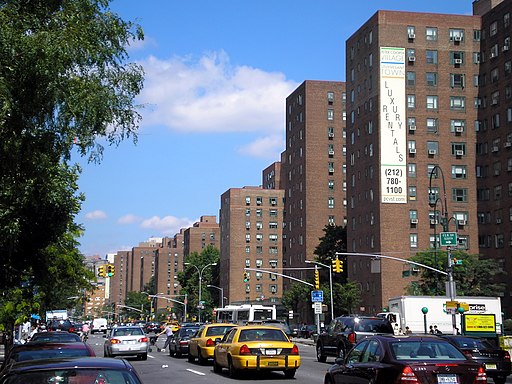
By Dan Garodnick As New York City gets ready to choose its new mayor, one community is watching the results with particular interest. Having recently seen a decade of tumult across two mayoralties, the residents of Stuyvesant Town and Peter Cooper Village understand that the occupant of Gracie Mansion matters to their safety and security. […]
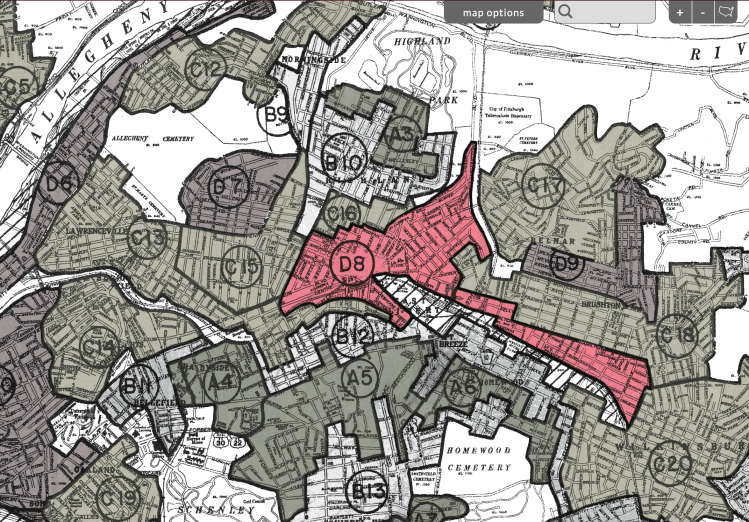
By Avigail Oren On November 16, Pittsburgh NPR affiliate WESA dropped a five-part podcast called Land and Power, about a fight for housing in the city’s historically Black neighborhood of East Liberty. In 2015, residents of the Penn Plaza apartment buildings found out they’d have to leave their homes to make way for new development. […]




 The Metropole