

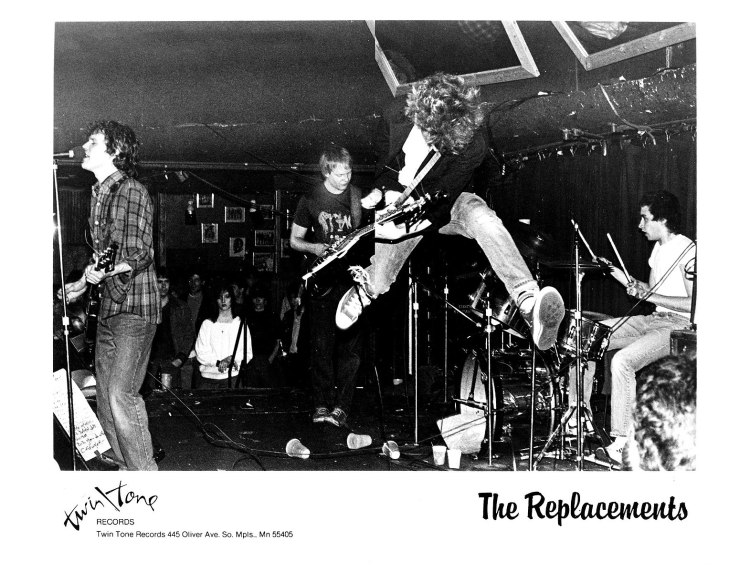
For those of us over forty, and particularly for folks from the middle, few bands loom as large as The Replacements, the greatest band that never was. Paul Westerberg and his bandmates stumbled their way across the country, releasing one quality, ramshackle album after another, full of pathos, humor, and grief, all while undermining their own career. Recently, a new mix of 1985’s Tim was released to a flabbergasted fan base, which collectively marveled at the improved sound and audio that clarified long garbled or inaudible lyrics and revealed new stray guitar lines, once obscured by the album’s phone booth like recording sound, that now ring out. “What could have been,” wondered more than a few observers this week—to be fair, something folks who follow the band have been saying for decades.
What does some semiobscure 1980s band from the Midwest have do with The Metropole’s Grad Student Blog Contest? The nine contributors—the most in GSBC history—represent the opposite of the band known popularly as The ‘Mats. Each historian delved carefully and deeply into their subject; they drafted, redrafted, and drafted again, marshaling examples and honing arguments.
If you missed them the first time, consider this round up of the entries—your remix—a chance to hear new insights you might have missed or alternative takes on long standing debates. “I heard about your band on some local page,” Paul Westerberg sings on “Left of the Dial,” off of Tim. Like the song, which served as an ode to 1980s college rock radio and its ability to amplify voices, let The Metropole and our nine contributors be like those voices on college radio in the 1980s, a clarion call to new history and a new generation of historians. “And if I don’t see ya, in a long, long while, I’ll try to find you, Left of the dial.”
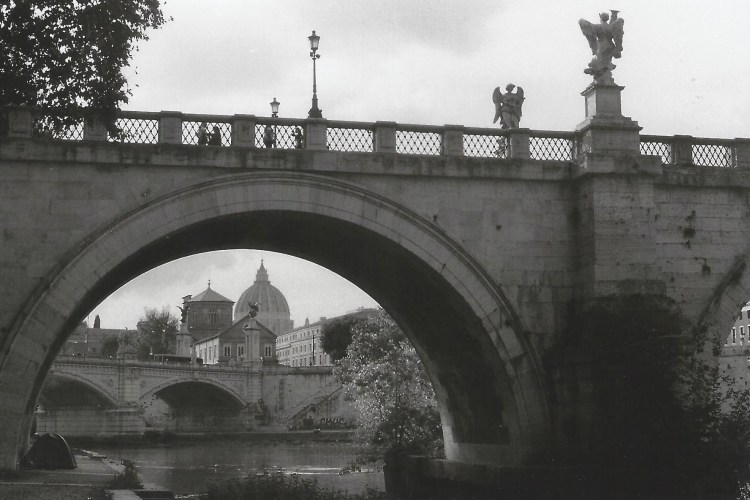
“(Un)Welcome Enhancements: Notes from an Archival Research Trip”
Aimée Plukker started things off with a reflection on the difference between tourism’s imagery and the reality on the ground in several European cities; for example, “With plenty of references to salvation in the afterlife to be found within the city, little solace is offered to some of Rome’s and the Vatican’s undesirable inhabitants.”
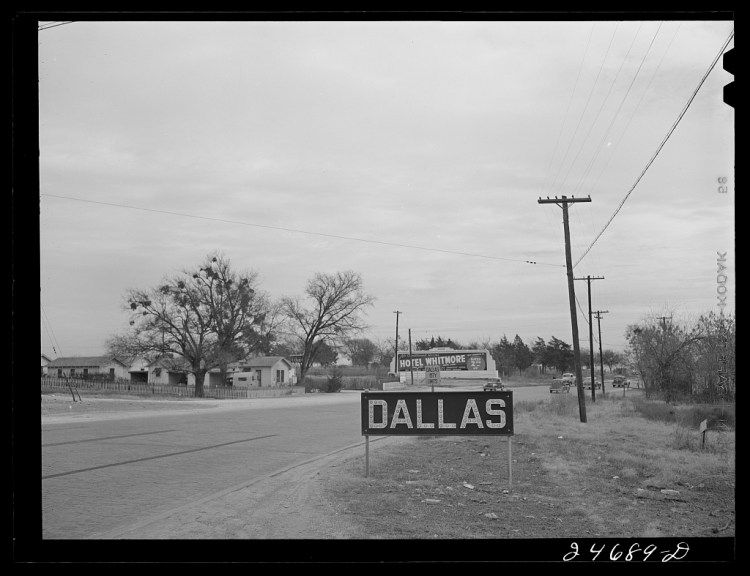
“‘Just Leave the Churches Alone’: Church Zoning Battles in Post-World War II Dallas”
Benjamin J. Young followed, with a look at the tension between mid-twentieth-century metro Dallas’s burgeoning, and ubiquitous, churches and urban planners. “Urbanization changed the shape of the American South between 1940 and 2000. Urbanization would also, as the standoff suggested, change the shape of southern religion.”
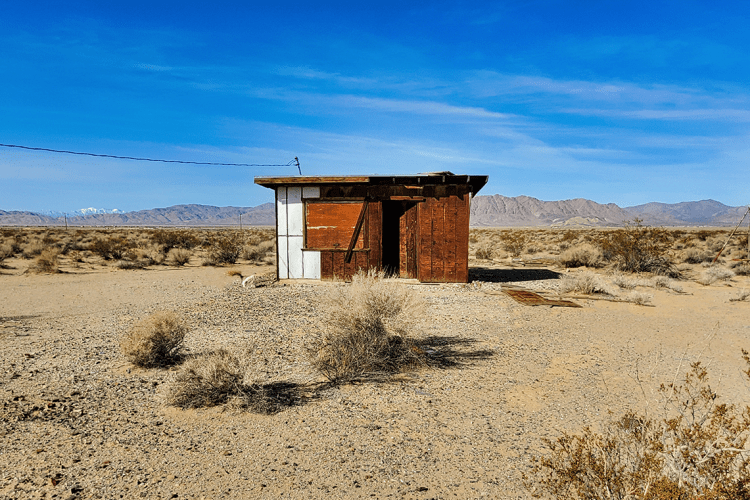
“‘Jackrabbiting’ Away from Urban Space”
Rural Southern California serves as the setting for Julie Haltom’s essay, which explores the little-known Small Tract Act of 1938 and the movement of tens of thousands of Californians to some of the state’s toughest environs: “Urban pioneers did not let their inexperience stop them. Eager to own land and use it as an escape from the city, they flocked to the Mojave Desert, the hottest and most inhospitable part of the state.”
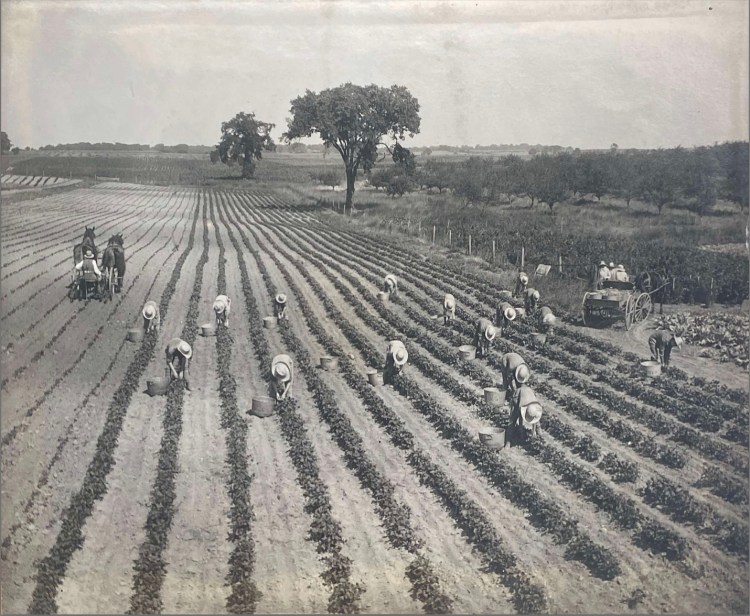
Allie Goodman’s piece tells the story of Mae Neiwski, a young woman put out into the city’s hinterlands. “Harriet Vittum, head resident of Northwestern University Settlement, hoped that sending Mae to rural Canton might provide the right kind of work under the right sort of influences while deterring her from Chicago’s corrupting entertainments, though Mae’s determination to return to Chicago overwhelmed these aspirations.”
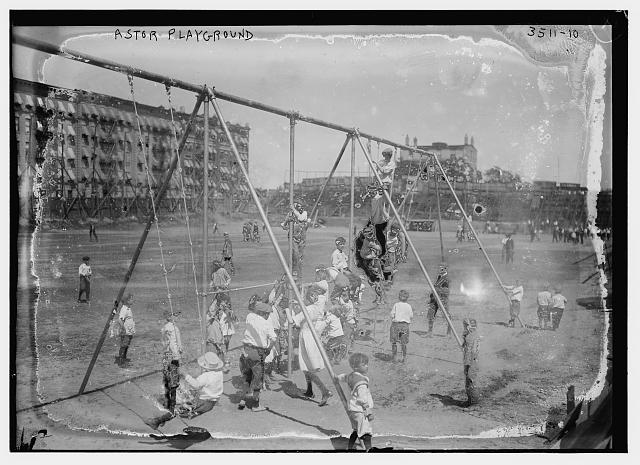
“The Neighborhood Nuisance: One Woman’s Crusade to Shape Brooklyn”
Alexandra Miller delves into the history of the playground movement in Brooklyn, New York, and the figure of Mabel E. Macomber, who doggedly pursued the construction of recreational spaces in the borough during the 1920s and 1930s. Macomber embodied the idea of a Progressive Era clubwoman, and though she did not live to see the fruits of her labor in Brooklyn’s Bedford neighborhood, her work undoubtedly shaped the city. “Mabel E. Macomber may not have been successful in her lifetime, or even well-liked, but she and women like her shaped the cities we live in today. Our urban landscapes, full of tiny green spaces, cool shade in the summer, and the sound of children playing, stand as testament to their work and represent their legacy.”

“Stumbling into Submission: How Real Estate and Finance Capital Conquered New York City”
Katelin Penner adds to the growing body of work on 1970s New York City and its fiscal crisis, documenting the ways in which the decade challenged the city’s longstanding focus on “services such as firefighting, libraries, parks, healthcare, garbage collection, and high-quality public schools to be public goods, as they promoted social welfare.” The Municipal Assistance Corporation, created to rectify the city’s finances forever changed New York by setting the stage for a neoliberal revival through its creation of the Emergency Financial Control Board, which favored real estate and corporate interests over those of average residents and ultimately left many New Yorkers behind. “Almost fifty years after the fiscal crisis, New York City’s transformation by the forces of capital remains largely in place—the city’s investments still disproportionately benefit the wealthy, the powerful, and the elite.”
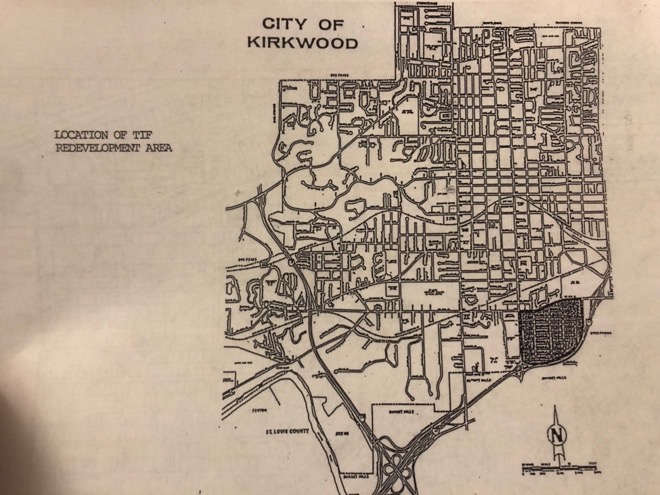
“Annexation Politics & Manufacturing Blight in a Black St. Louis Suburb”
Last year’s GSBC winner, Bridget Laramie Kelly, returns to the competition with a post about the politics of annexation and blight that is also about the stories suburbs tell themselves to justify policies that reinforce inequality. Residents of Kirkwood, Missouri, remember their community’s history with neighboring predominantly Black Meacham Park “as one of inevitable progress, logical development, and Christian charity: a wealthier, white neighborhood annexed a poorer, Black neighborhood and they became ‘one,’ which then extended well-funded public works and services to the lower-income neighborhood.” In reality, argues Kelly, Kirkwood undermined Meacham Park by requiring it “to relinquish their community’s core, their ‘social fabric,’ to the benefit of Kirkwood’s tax base,” a story that represents much larger patterns in American suburbanization.”
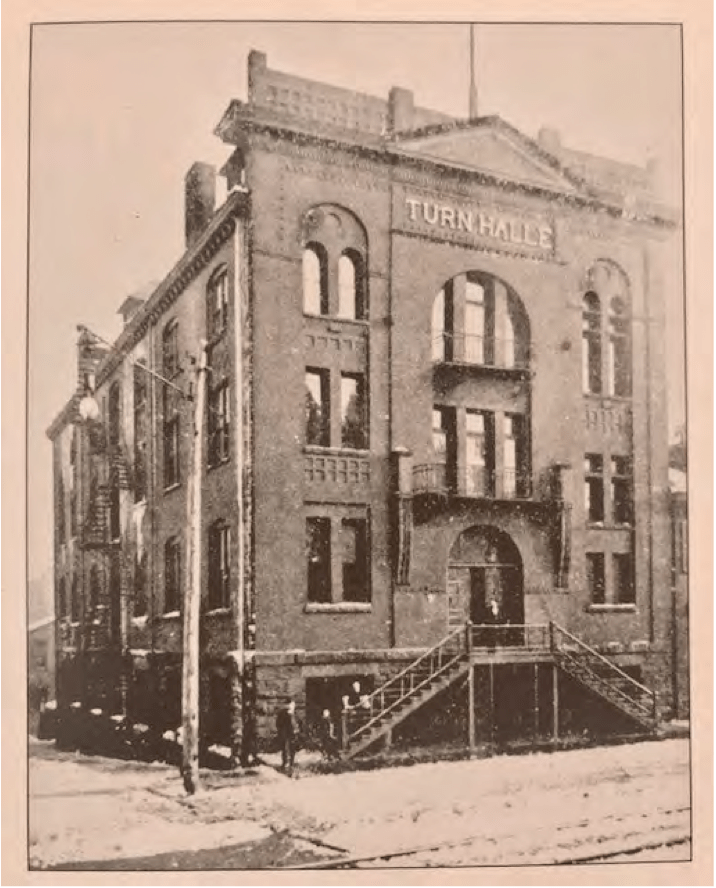
“Stumbling Upon Stillburg: Using Memory and Research to Revive a Forgotten Architectural Career”
When Inga Gudmundsson McGuire stumbled upon the history of her great-great-grandfather, architect Joseph Stillburg, she discovered more than just a quaint history about a long-ago relative. McGuire found an architect who had shaped Pittsburgh’s built environment, spurring her own graduate study and a desire to better account for Pittsburgh’s and urban architecture’s past more fully. “Even though I do not know why Stillburg seemed to be forgotten so quickly after his death, what I have learned about his architectural career demonstrates his importance and that it warrants more attention and research, in large part due to the extant buildings that are currently being preserved and recognized on the local and national levels.”

“Yan Zongo: A Research Note on Accra’s Strangers”
Fauziyatu Moro’s exploration into the leisure activities of workers in Lagos, Nigeria, revealed “the continuities between migration and labor, but it also evidences the social aspirations and life of migrants that transcend the popular narratives which limit migrants to their economic endeavors.” Indeed, these examples uncover the complexities of people often reduced to economic numbers, and shaped Moro’s own research. “In their narratives and personal archives lie the many alternative perspectives to migration and migrant life that counter the entrenched narratives seen in the colonial and state archives, which position migrants in relation to labor.”
Featured image (at top): American rock band The Replacements in a publicity photo, performing at the bar/venue Duffy’s in Minneapolis, Minnesota (c. 1982), Twin/Tone Records, Wikimedia Commons
 The Metropole
