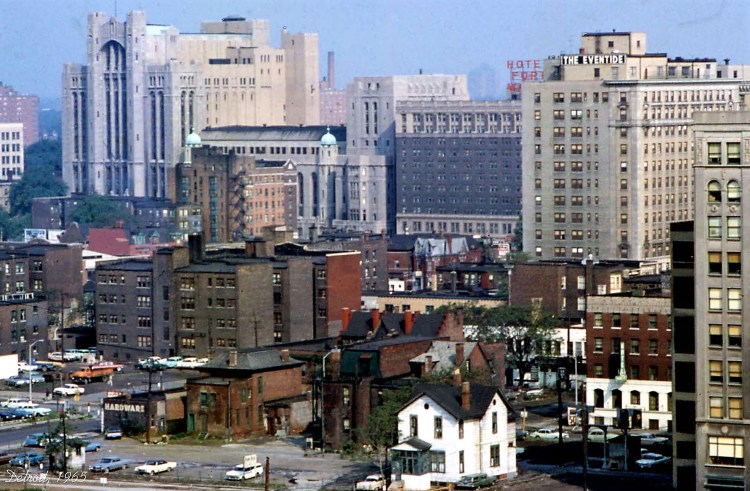
Rose, Mark H. and Roger Biles. A Good Place to Do Business: The Politics of Downtown Renewal Since 1945. Philadelphia: Temple University Press, 2022. Reviewed by David Goodwin As public concern over the COVID-19 pandemic shifts from a guiding fear to a collective memory, American urban centers struggle to reimagine and restructure themselves to an […]
By Kenneth Alyass On April 1, 1966, during a rainy Friday evening, near downtown Detroit Habiba Kasgorgis made her way to her husband’s store at 7503 Brush Street. Jubrail Kasgorgis was a balding, middle-aged man, who immigrated to the United States from Iraq a decade earlier. Like many members of Detroit’s growing Chaldean community, a […]
By Matt Guariglia and Charlotte Rosen The purpose of the Disciplining the Nation project is to make the history of policing, incarceration, and criminalization in the United States more accessible and teachable by highlighting the documents which shaped it. In addition to looking at specific documents, we also want to highlight specific public history projects […]
Editor’s note: This is the sixth post in our theme for January 2022, Urban Environmentalism. Additional entries can be seen at the end of this article. By Brandon Ward Mildred Smith was fed up with bulldozers in 1966. She had twice been forced out of homes to accommodate urban renewal developments in Detroit, and officials […]
In this, the fourth and final entry into the Fourth Annual Urban History Association/The Metropole Graduate Student Blogging Contest, Kenneth Alyass turns a skeptical lens towards the stretches one Detroit suburb made to justify a name change—and asks the reader to also stretch and see that the ‘burb’s supposedly colorblind arguments were anything but. In […]
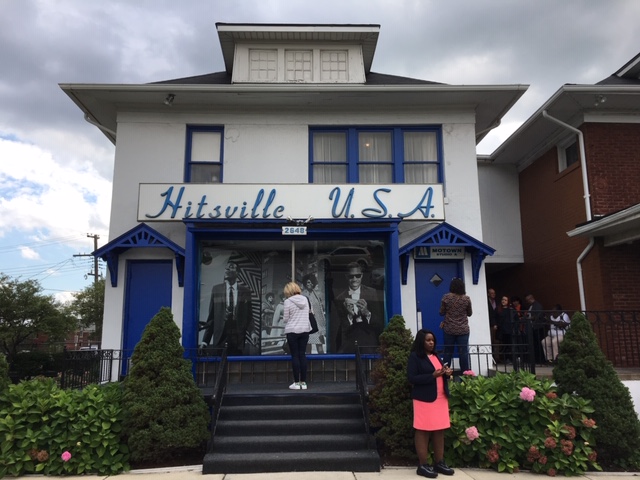
Slobin, Mark. Motor City Music: A Detroiter Looks Back. New York: Oxford University Press, 2019. Reviewed by Bob Carey Detroit once meant cars, speed, and movement. In his new memoir Motor City Music, Mark Slobin takes us on a leisurely, unconventional ride through the city, telling the story of growing up and being shaped by the […]
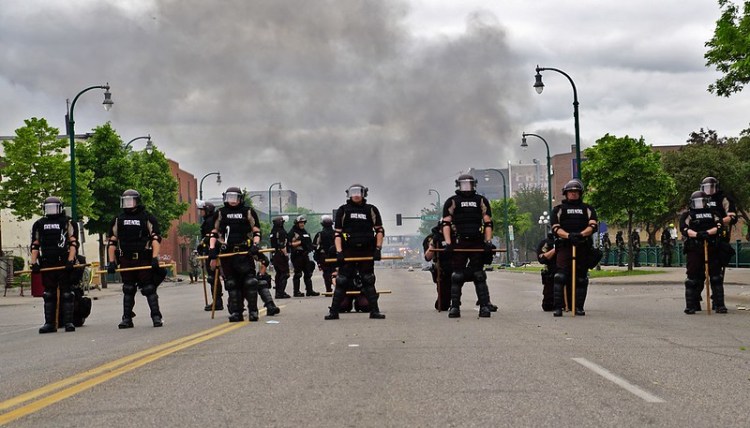
🔥🔥🔥🔥@UrbanHistoryA panel on Urban Uprisings and Racist Police Terror in Historical Context with @Prof_Suddler @AustinMcCoy3 @mfkantor and @hthompsn with @CharlotteERosen and @mguariglia moderating pic.twitter.com/UbY4A6pqTw — Marisol LeBrón (@marisollebron) July 8, 2020 In 1973, Detroit’s Stevie Wonder released Innervisions, a groove-filled album that was simultaneously joyous, sharp-eyed, and steely. In its third track “Living for the […]
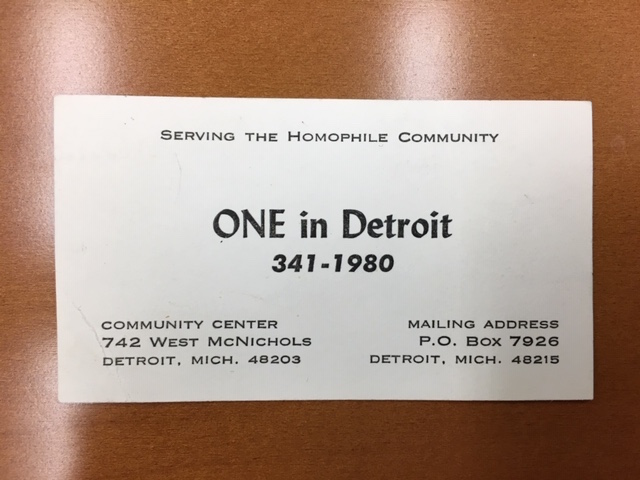
By James McQuaid On May 10, 1973, Gary Kapanowski walked into work and was greeted by orange and black fliers papered throughout the plant denouncing him as “a faggot,” asking workers at the plant, “Do you want a faggot to be your chairman of the shop committee?”[i] Kapanowski had worked at the Briggs Beautyware stamping […]
[Editor’s note, with time running out, if you want to submit a paper and looking for panel mates check out the #UHA2020 spreadsheet, you can access it directly here or if you want more info about the spreadsheet along with the link, see here. Also grad students, if you are presenting the UHA has funding […]
Our second entrant into the Third Annual UHA/The Metropole Graduate Student Blogging Contest is Matt Kautz, who takes us to a very particular high school in Detroit. The life cycle of this one institution, Kautz shows, offers a peek at the birth of the school-to-prison pipeline. Detroit’s desegregation case, Milliken v. Bradley, is largely remembered […]




 The Metropole