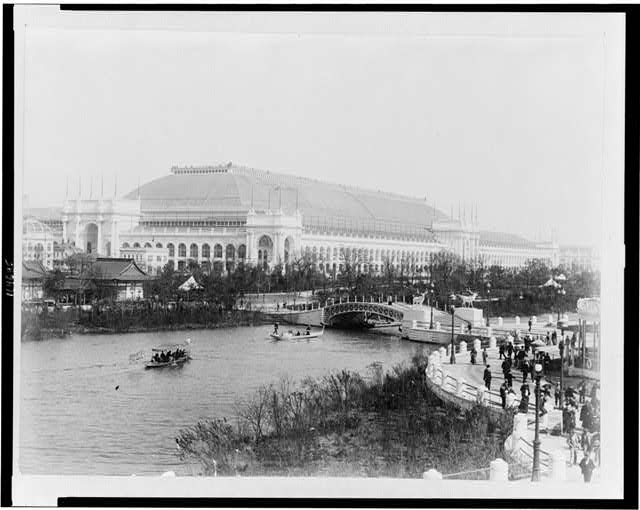
Our third and final entry in The Metropole/Urban History Association Graduate Student Blogging Contest explores the intersection of law enforcement, imperialism, and American racial hierarchies through the 1893 World’s Columbian Exposition in Chicago. The 1893 World’s Columbian Exposition in Chicago intended to reflect the high point of U.S. and white Western civilization and, according to reports […]
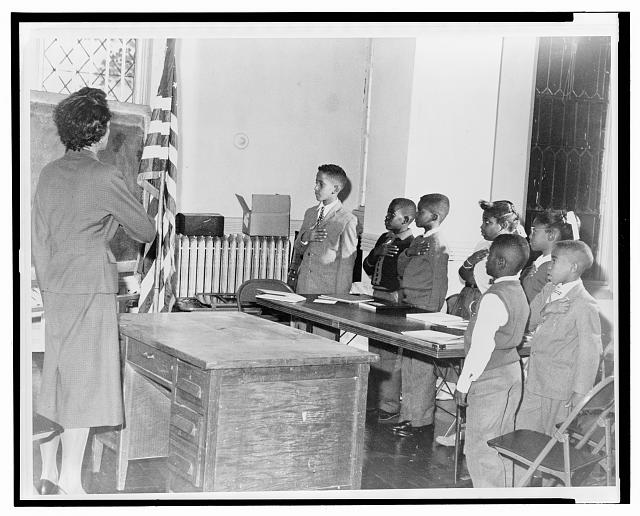
Our second entry in The Metropole/Urban History Association Graduate Student Blogging Contest explores the role of the New York Times in NYC school integration debates during the early 1960s through the lens the newspaper itself and the Pulitzer Prize winning work of Gene Roberts and Hank Klibanoff’s work, Race Beat: The Press, The Civil Rights Struggle, and […]
Our first entry in The Metropole/Urban History Association Graduate Student Blogging Contest considers “A New Season,” the contest theme, through an examination of New York City Mayor John Lindsey’s creative attempts to reshape the public sector. The city, in the midst “of social, economic, and political distress” during the 1970s, presented an opportunity for a […]
By Adam Gallagher One of my earliest memories is of my dad, a pretty even-keeled guy most of the time, punching through a toy drum of mine after what surely seemed to be the trough of his Cleveland fandom. It’s the winter of 1988, and the Cleveland Browns are facing the Denver Broncos for the […]
“[Cleveland, a city] of nearly 400,000 residents is where millennial boomerangs are returning and transplants are arriving, bringing with them big ideas,” Fran Golden wrote in the Los Angeles Times earlier this year. “Count me among the most surprised to see amazing stuff happening in the Rust Belt.” For much of the late twentieth century, […]
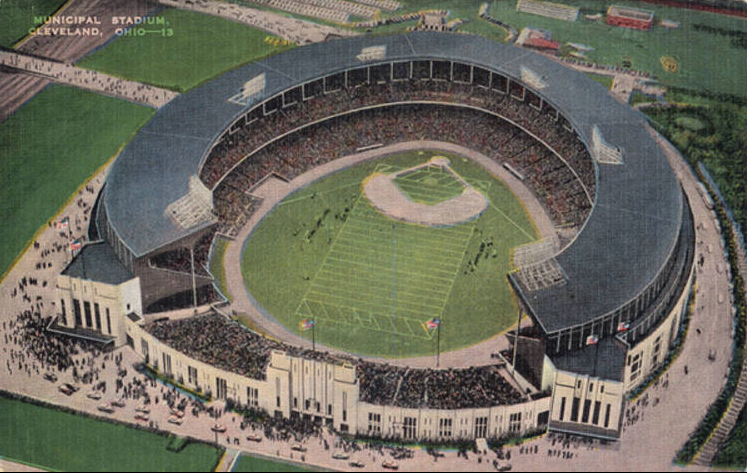
By Todd Michney As for my earliest Cleveland memory, I am unsure, but riding the RTA’s Red Line Rapid Transit to the old Municipal Stadium for baseball games toward the end of the 1970s is one that certainly stands out. Initiated in 1928 when Cleveland still ranked as the country’s fifth-largest city, the facility […]
By A.K. Sandoval-Strausz In conjunction with our friends at the Global Urban History Project, this article is cross posted at the GUHP blog, go check them out! Urban historians in the United States have increasingly been adopting the kinds of transnational frameworks already central to inquiry in other disciplines. We were slower to take the […]
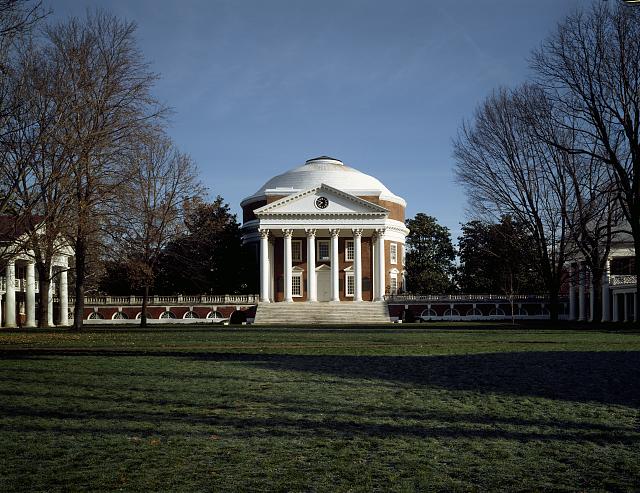
By Walter Greason White nationalists marched through the streets of Charlottesville, Virginia, in August 2017. From an historian’s perspective, there was little surprise in this action, especially after two years of widespread appeals to white nationalism in the course of one of the most heated presidential campaigns in American history. Why did the organizers’ choose […]
By Nichole Nelson On January 3, 1956, a bomb exploded in the garage of John G. Pegg, an African- American newcomer to the Shaker Heights neighborhood.[1] The explosion was a turning point for the Cleveland suburb: the wealthiest neighborhood in America in 1960.[2] Though it destroyed Pegg’s garage, it also jolted Shaker Heights’ residents into […]
By J. Mark Souther On a crisp October day in 1970, a crowd cheered Carl Stokes on as he scrambled down the dock behind Fagan’s Beacon House in his yellow fishermen’s boots onto a submerged platform and sloshed through the murky waters of the Cuyahoga River. Stokes, elected 50 years ago next month as the […]






 The Metropole