Editor’s note: Both as part of our continuing coverage of the January Metropolis of the Month Columbia, S.C. and as a nod to the Martin Luther King holiday, University of Minnesota Professor of Journalism, Sid Bedingfield provides an account of how the Black press in Columbia and the state more broadly, proved integral to the burgeoning […]
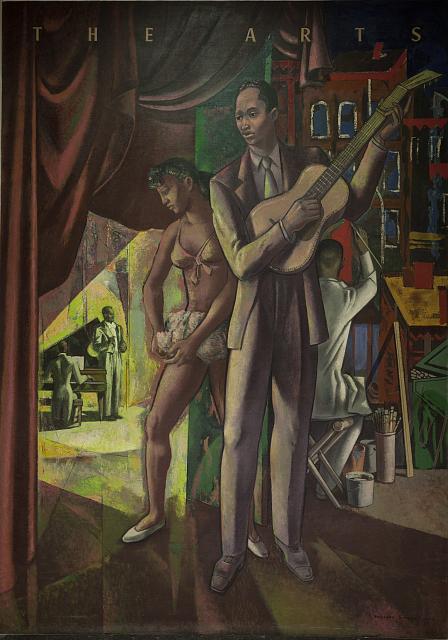
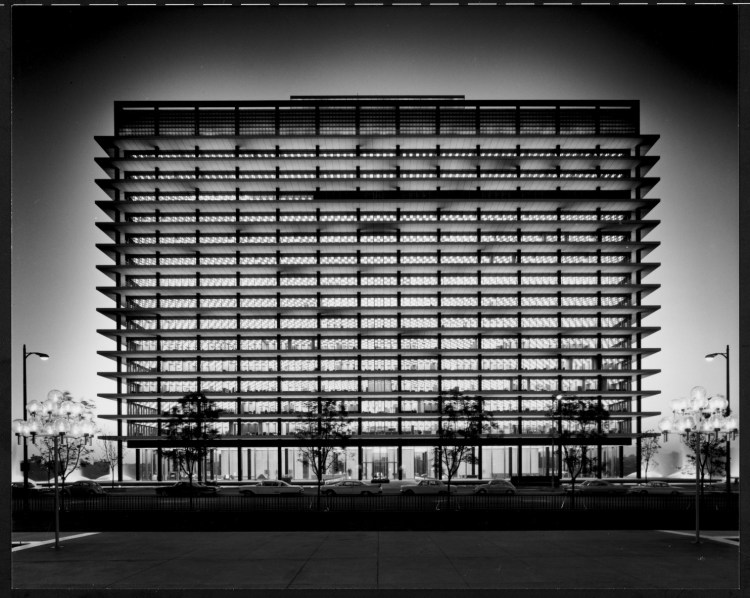
The Metropole Bookshelf is an opportunity for authors of forthcoming or recently published books to let the UHA community know about their new work in the field. By Adam Arenson Adam Arenson. 2018. Banking on Beauty: Millard Sheets and Midcentury Commercial Architecture in California. Austin: University of Texas Press, 368 pp. 157 color and 17 […]
By Robert Greene II The history of Columbia, and of South Carolina more generally, would look markedly different if it were not for the existence of the Congaree Swamp. Being a home for Native Americans, a place of mystery for Europeans, and a refuge for escaped slaves, Congaree Swamp—now a National Park—is a unique part […]
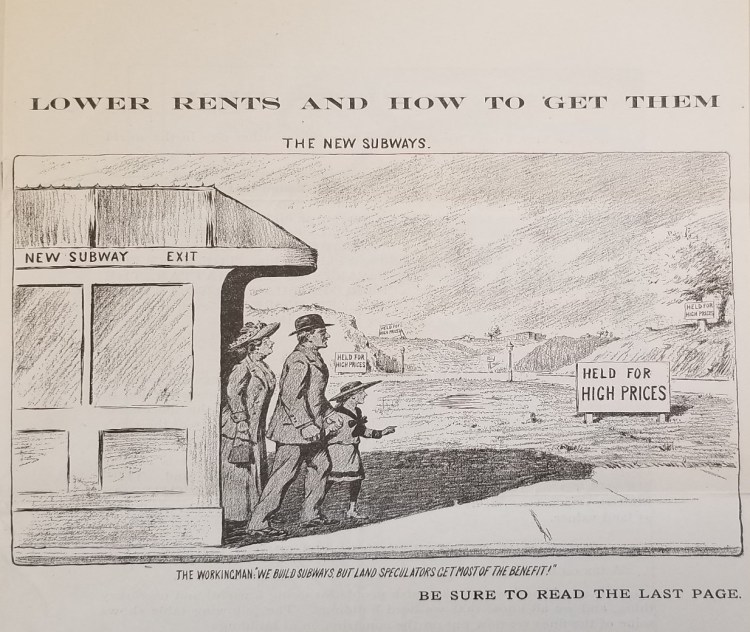
By Daniel Wortel-London The land-value tax is coming back in vogue among municipal policy makers and scholars of urban studies. If real property consists of both structures and land, and if the value of land is determined by locational amenities produced by a community, then that community has a moral claim to this value– or […]
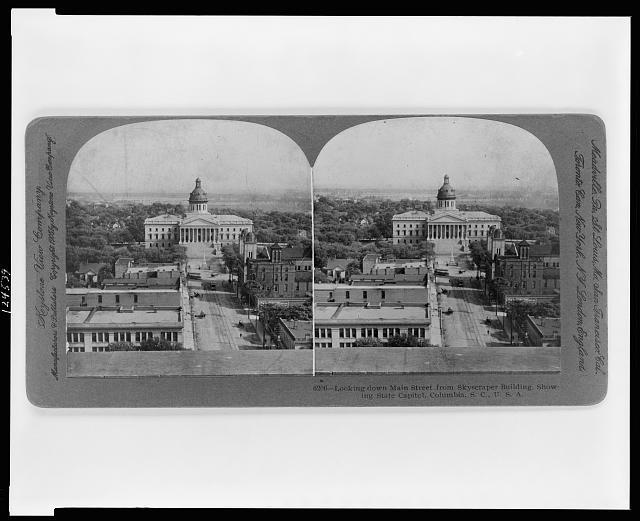
By John Sherrer Columbia, South Carolina was intentionally designed to be a very livable city from its inception. Founded in 1786 as the Palmetto State’s second capital, its location holds both geographic and symbolic meanings. The city’s original two-mile-by-two-mile footprint was set atop a plain overlooking the Congaree River at the state’s fall line, where […]
When the University of Richmond’s Digital Scholarship Lab (DSL; @UR_DSL) unveiled its ambitious Mapping Inequality project a few years ago, urban historians and others applauded. A collaboration of scholars at Virginia Tech, Johns Hopkins, and the University of Maryland and directed by Robert K. Nelson and Brent Cebul of the University of Richmond, Mapping Inequality […]
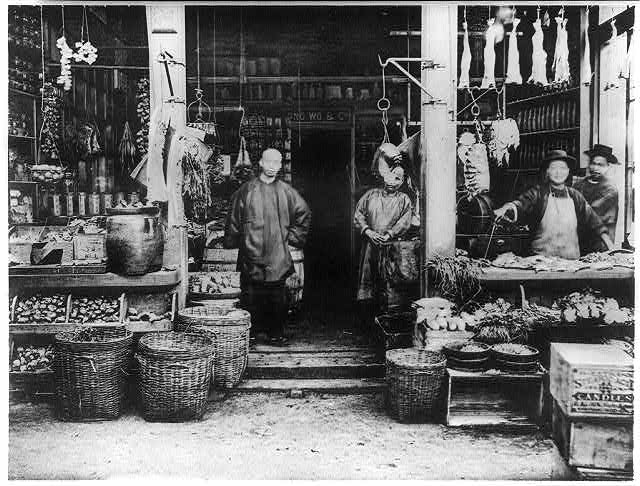
By Carolyn Levy On April 4th, 1857, the San Francisco newspaper Daily Globe published a column concerning the existence of Chinese prostitutes in the city. Daily Globe was a short-lived newspaper, published only from 1856 to 1858. Although the newspaper did not last, the column published in the Daily Globe is indicative of the public […]
The Vernacular Architecture Forum invites urban historians — students, faculty of any rank, independent scholars, public historians — to apply for the third round of its Access Award. The award supports attendance at the group’s annual meeting — including two full days of tours and one day of paper sessions — no strings attached, for […]
Earlier this month, longtime UHA member Jim Wunsch of Empire State College (SUNY) raised some great questions and points of debate regarding how we organize, conduct, and process conferences, including: accepting fewer papers for presentation; rethinking how historians present research (and the context in which they are presented); and posting papers earlier to encourage greater […]
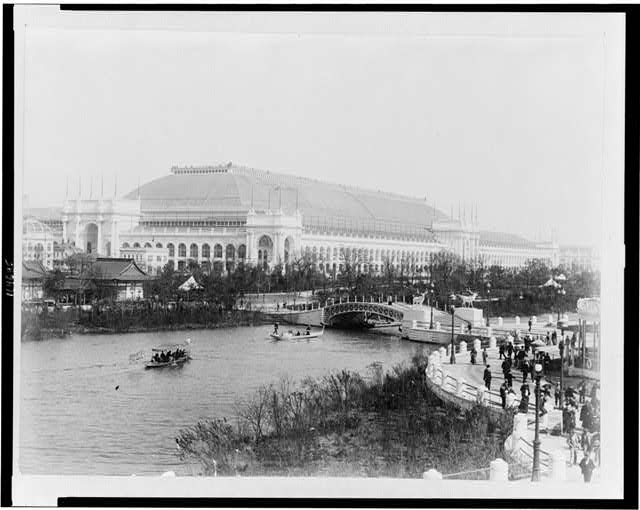
Our third and final entry in The Metropole/Urban History Association Graduate Student Blogging Contest explores the intersection of law enforcement, imperialism, and American racial hierarchies through the 1893 World’s Columbian Exposition in Chicago. The 1893 World’s Columbian Exposition in Chicago intended to reflect the high point of U.S. and white Western civilization and, according to reports […]