Well it’s the second Monday of June 2018 meaning we are now over two weeks into the Second Annual Metropole/UHA graduate student blog contest. Undoubtedly, many of you have embarked or will be soon embarking on summer research trips. Keep the contest in mind as you dig through archives building an argument for your dissertation, […]
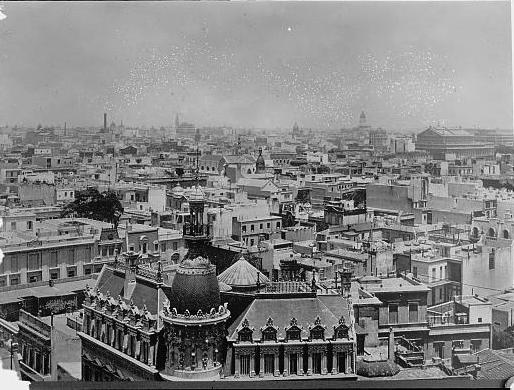
By Anton Rosenthal Fuelled by waves of immigrants from Western and Eastern Europe in the late 19th and early 20th centuries, Buenos Aires grew at an unprecedented pace, expanding toward the pampas and developing new neighborhoods along with an enormous streetcar network and a subway line. Historians often refer to the Buenos Aires of 1900 […]
By Erika Denise Edwards The recent explosion of black studies in Argentina has been a welcoming effort of various scholars and activists that have refused to accept the old and tired categorization that Argentina is a country of European descendants.[1] For instance, most recently activists challenged Argentine president Mauricio Macri’s association between Mercosur and the […]
By Daniel Richter Buenos Aires and Montevideo, the capitals of Argentina and Uruguay, are located approximately 120 miles away from each other across the Río de la Plata. Over the decade from 2003 to 2013, I traveled by boat between Argentina and Uruguay approximately 20 times while living in the two cities for an aggregate […]
How many times have the city, its architecture, and the theatre been intertwined, for the theatre is often a foil for the representations of public life, and public space frequently is arranged as if for a theatrical performance. Both the theatre and urban space are places of representation, assemblage, and exchange between actors and spectators, […]
By Yovanna Pineda On a casual stroll through Buenos Aires City, the pedestrian’s eyes can follow the public spaces lined with colorful graffiti. Though the latter is illegal, it is socially accepted, and for some urban residents and tourists it is even valued. Indeed, they locate their graffiti, including name tags, screen printing, and murals, […]
By Matthew Guariglia During the Progressive Era, there were parts of New York City that police understood as being immune to the exertions of state power. These areas could be rendered illegible and uncontrollable for a number of reasons. In some instances, as I have discussed on The Metropole before, the foreignness of immigrant populations, […]
By Kristen McCleary Strolling through Buenos Aires in the twenty-first century, the city might be read as an alternative text to that of established Argentine national history. The streets, walls, and tunnels of the city itself form the backdrop from which passersby create and narrate their own histories of the city from the words and […]
For those graduate students interested in exhibiting their work at the 2018 Urban History Association conference in Columbia, S.C., the UHA encourages you to take advantage of its poster sessions. See the announcement below for more information! Student Poster Sessions on Urban History Call for Proposals The Urban History Association will hold its biennial conference […]
When South Americans first laid eyes on British immigrants playing the game that they called football (and residents of the United States came to call soccer), they were, historian David Goldblatt writes, “genuinely bemused.” A Brazilian observer described a scrum of English men hoofing “something that looks like a bull’s bladder” about as “a bunch […]




 The Metropole