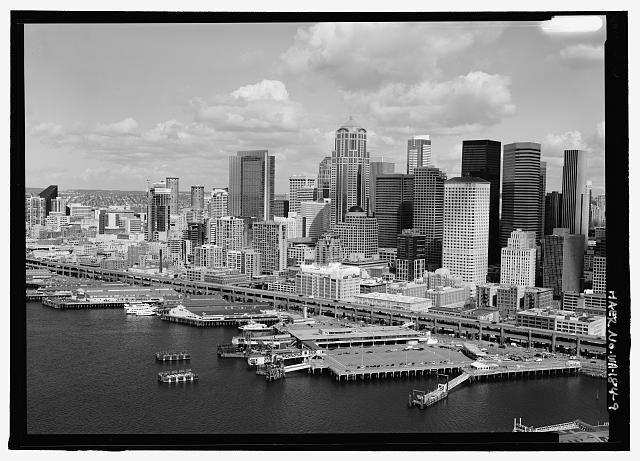
The historiography of Seattle evades simple classification. Urban historians might ask, why Seattle? What does the city’s history contribute to our understanding of urban planning, housing policy, and the urgent questions surrounding race and policing? Where to locate Seattle within regional and cartographic taxonomies, and their attendant historiographies, is similarly fraught. Indeed Seattle features prominently […]
The Urban History Association strongly condemns the ugly harassment that has been directed against Princeton University professor Keeanga-Yamahtta Taylor. We stand with Dr. Taylor, and most ardently support her right to speak uncensored and without threats or intimidation. An attack on any one member of our organization in this manner is a threat to all of […]
Carmen C. M. Tsui, Ph.D. Assistant Professor Department of Architecture and Civil Engineering, City University of Hong Kong Describe your current research. What about it drew your interest? Growing up in Hong Kong, I was always fascinated that such a tiny city can accommodate a population of 7 million people. Nevertheless, I have a fundamental […]
Over the last quarter of a century, Seattle has gone from remote, grunge rock, alternative Pac NW paradise (as portrayed in the now 25 year old movie Singles) to environmental aggro bike riding hipster World Trade Organization protesting enclave (see 2007’s Battle in Seattle) to new Silicon Valley tech Amazon/Microsoft led metropolis. Its sibling […]
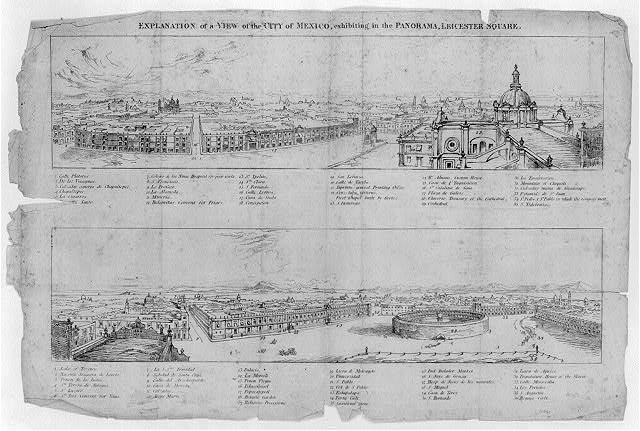
To be frank, when compared our April Metropolis of the Month, New Orleans, the Journal of Urban History’s record of publication in regard to Mexico City is not as robust. During the 1990s, the JUH published articles on the city’s demographics in 1811, class and urban space in the Porfirian era, and an epic essay […]
Catherine Fosl, Ph.D. Professor of Women’s and Gender Studies and Director, Anne Braden Institute for Social Justice Research College of Arts & Sciences, University of Louisville I entered the academy in the early 1990s after spending much of the 1980s working in journalism and community organizing. About the same time I graduated from college in […]
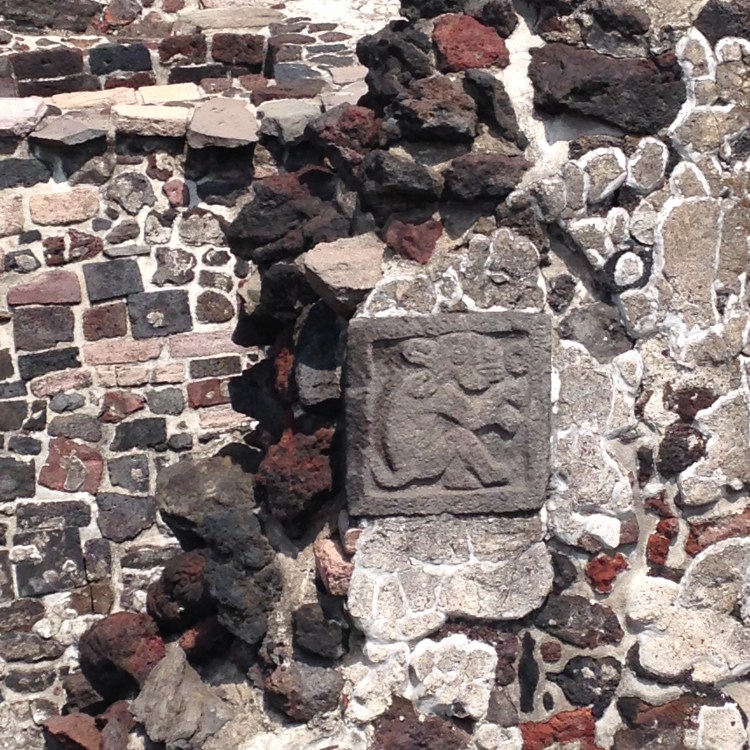
My first introduction to Mexico City was in December of 1988. I was a college junior, returning from a semester abroad of study in Central America. As my plane flew over the city for what seemed to be an eternity before landing at the airport, I marveled at the astounding space and scope of […]
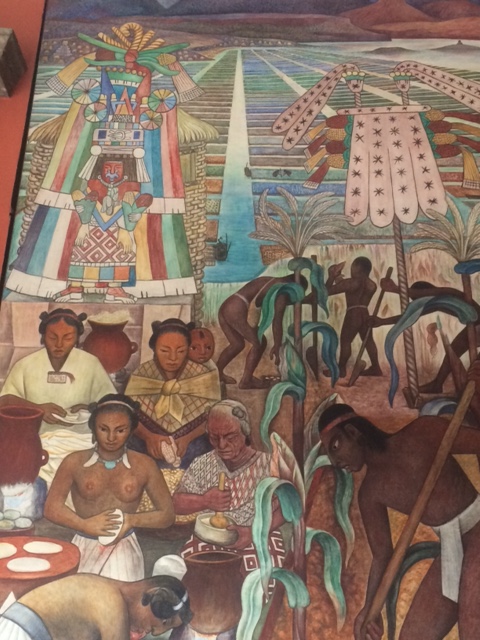
Most visitors to Mexico City gain their first, and perhaps last, insight into the close relationship between art and politics from the murals of Diego Rivera. Located inside the former Secretariat of Education, a neo-colonial building on the capital’s grand central plaza, the murals date to the 1920s, a period of political consolidation after the […]
A few weeks after co-editor Ryan Reft and I decided to feature Mexico City as the Metropolis of the Month for May, I received a call from my parents inviting me to accompany them on a short trip to Mexico City over Memorial Day Weekend. The coincidence seemed auspicious, and so I accepted the offer […]
Until images of Beijing air pollution captured the world’s attention several years ago, few megalopolises rivaled Mexico City in the global imaginary of urban disaster and unsustainability. In the 1980s and early 1990s, news of black smog clouds asphyxiating Mexico’s capital and of birds falling to their death from pollution circulated in major media […]