Late in 2016, the seminal hip-hop collective A Tribe Called Quest (ATCQ) was still reeling from the death of founding member Phife Dawg when the group released its final album, We Got it from Here Thank You for Your Service. Though completed well before the election that year, one could not help but listen to […]
Katie Marages Schank George Washington University, PhD, American Studies, May 2016 Emory University, Fellow, James Weldon Johnson Institute for the Study of Race and Difference, 2016-2017 @kmschank Describe your current research. What about it drew your interest? In my current research, I explore the relationship between architecture, housing policy, race, and visual culture to […]
One of the things that UHA members do is to read books, and another thing is to write them. We thought that, to complement the bibliographies that we publish in the newsletter, we would provide members with the opportunity to share information from, and about, their own recently-published books. By ‘recently-published’ we mean ‘within the […]
It goes without saying that in today’s world, many talented historians are underemployed, between jobs, working independently of universities, or working at smaller institutions incapable of paying for top level resources and databases required of scholarship. Whether one has a PhD, an MA, a BA, or as Matt Damon in “Good Will Hunting” opined, a […]
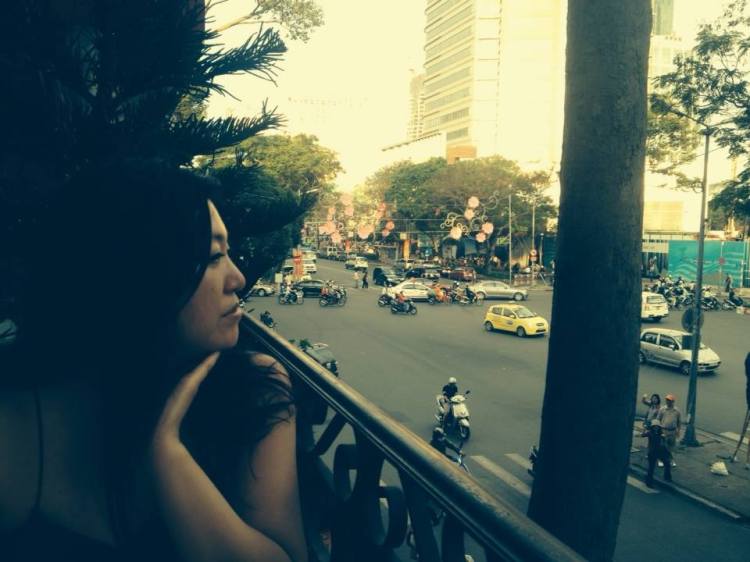
Tourism matters in ways we don’t always consider, often functioning as a “transnational practice imbued with meaning,” as historian Scott Laderman argues. For example, in the late 1950s and into the 1960s, the U.S. government took an interest in promoting tourism in Southeast Asia, specifically in Ho Chi Min City (then referred to as Saigon […]
By Meredith Drake Reitan, MPL, PhD On February 7, 2017, the Los Angeles City Council ruled against colleagues on the Cultural Heritage Commission. After a lengthy and emotional public comment period, the Council decided not to designate Parker Center, the longtime headquarters of the Los Angeles Police Department, a local historic monument. The following month, […]
Elizabeth Todd-Breland Assistant Professor University of Illinois at Chicago @EToddBreland Describe your current research. What about it drew your interest? I am currently finishing a book about transformations in Black politics, shifts in modes of education organizing, and the racial politics of education reform in Chicago from the 1960s to the present. I’ve always been […]
Blogging is an increasingly necessary skillset for scholars. Blog posts are a useful format for sharing knowledge with a wide audience, from the general public to researchers within the field. Scholars are now placing greater emphasis on publication beyond academic journals and monographs—the Washington Post’s new “Made by History” vertical is a prime example—as a […]
By Avigail Oren We can’t imagine that our loyal readers have missed the exciting news–the Call for Papers for the 2018 UHA Biennial Conference in Columbia, South Carolina dropped on Wednesday. The deadline is not until February, so you have plenty of time to pull together panels and write your proposal. In the meantime, however… […]
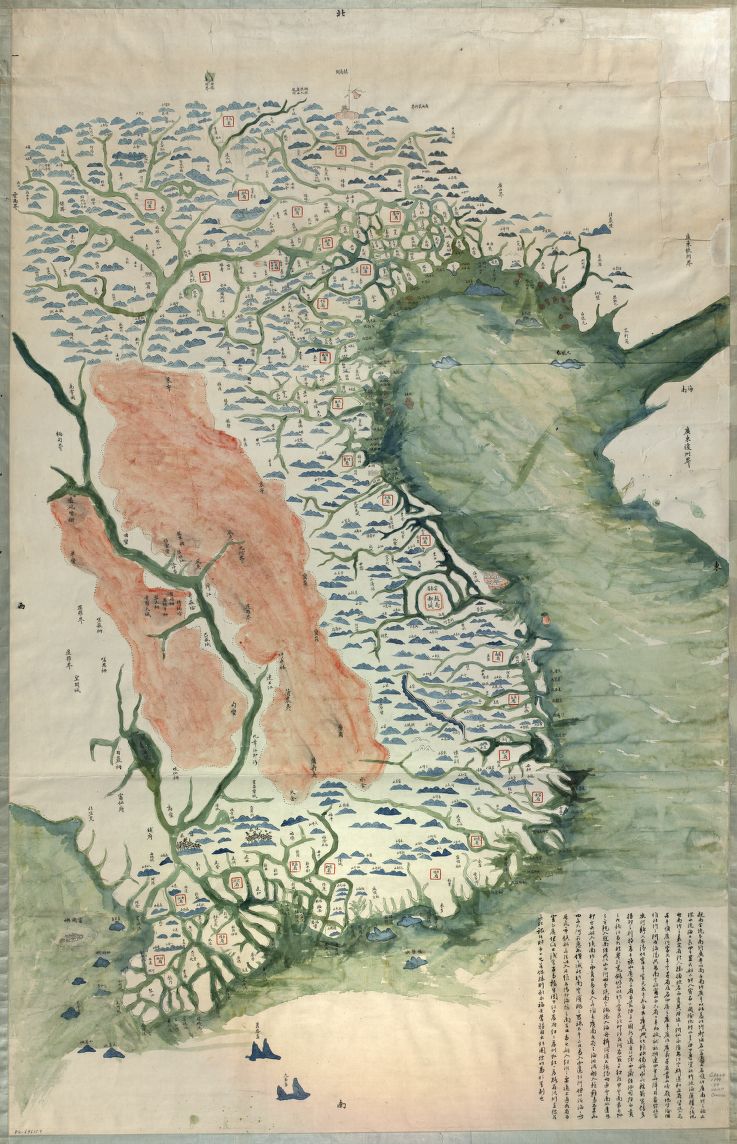
With European colonialism exterting itself in Asia by the 1860s, Ho Chi Minh City, then known as Saigon and Cholon respectively, had fallen under French control. As Gwendolyn Wright and others since have noted, city building served as a central aspect of French colonialism. French leaders believed beautiful, grand cities embodied the nation’s strength, sophistication […]


 The Metropole