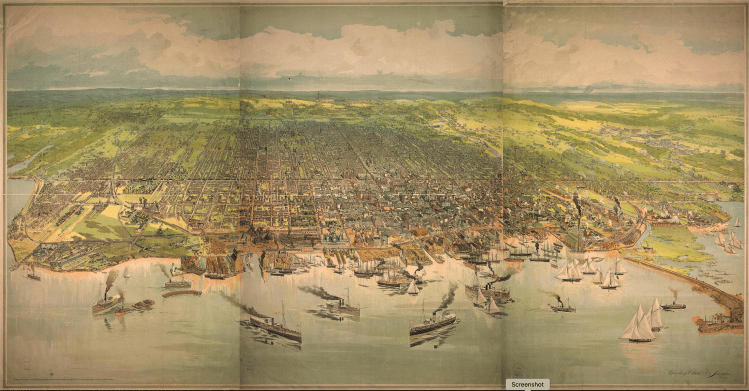
This is the eight and final post in Urban and Environmental Dialogues, our January collaboration with the Network in Canadian History and Environment (NiCHE). For other entries in the series, see here. By Andrew Watson In July 1896, Chicora, Oliver Mowat, and Ann Brown docked at Toronto Harbour. Each had come from a different corner of Lake Ontario bearing […]
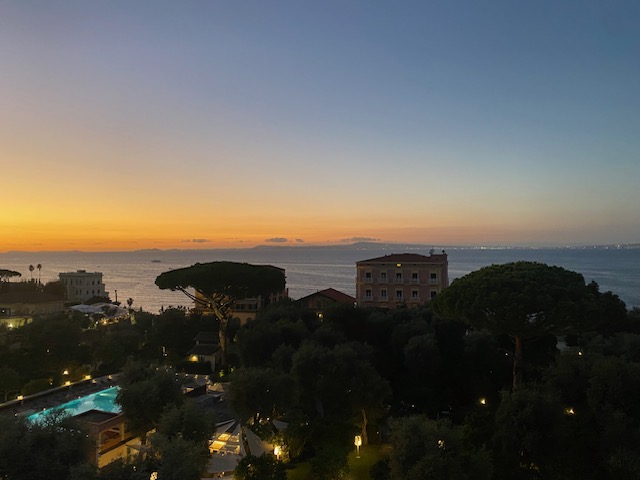
This is the seventh post in Urban and Environmental Dialogues, our January collaboration with the Network in Canadian History and Environment (NiCHE). For other entries in the series, see here. By Sara B. Pritchard Ryan Reft’s recent photograph, “Sorrento Italy at night” (Figure 1), opened the Network in Canadian History and Environment and Urban History Association Call for Papers […]
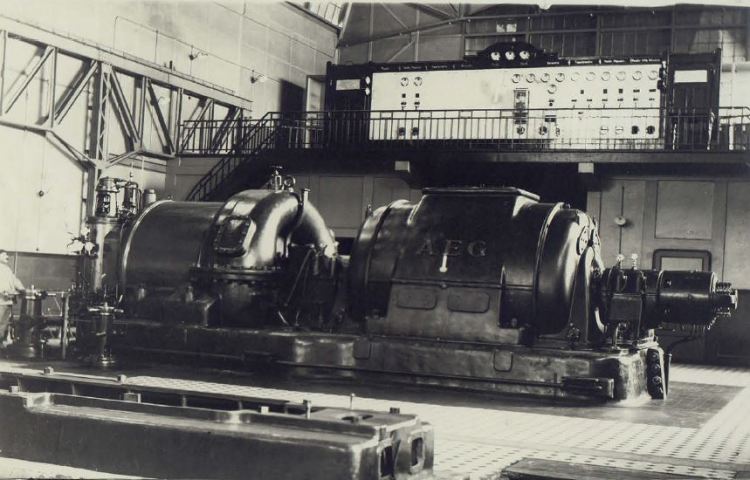
This is the sixth post in Urban and Environmental Dialogues, our January collaboration with the Network in Canadian History and Environment (NiCHE). For other entries in the series, see here. By Yohad Zacarías S. Between 1920 and 1930, the Chilean Electric Company Limited, Santiago Municipality, and the Chilean government built 100 electric substations to transmit and distribute electrical power […]
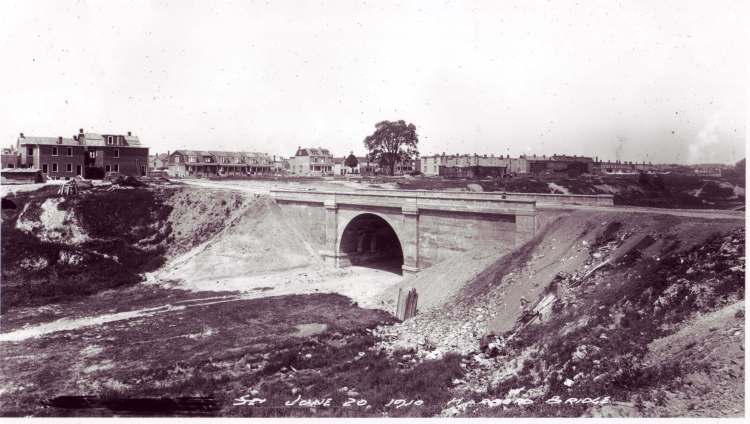
This is the fifth post in Urban and Environmental Dialogues, our January collaboration with the Network in Canadian History and Environment (NiCHE). For other entries in the series, see here. By John Bessai I used to study cities through their official monuments, statues and commemorative plaques. In the process, I started to understand cities through natural elements, including stones, […]
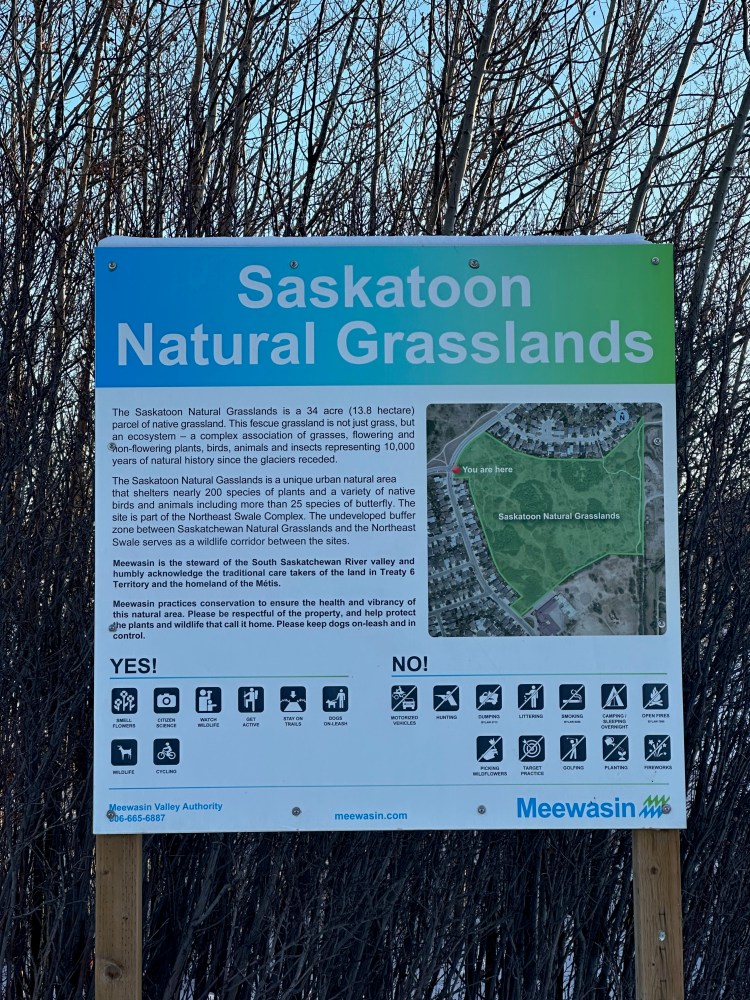
This is the fourth post in Urban and Environmental Dialogues, our January collaboration with the Network in Canadian History and Environment (NiCHE). For other entries in the series, see here. By Carmen Gilmore In summer 2021, I volunteered with the Saskatchewan Native Plant Society to create a photographic wildflower brochure of the Saskatoon Natural Grasslands (the Grasslands). I’d become […]
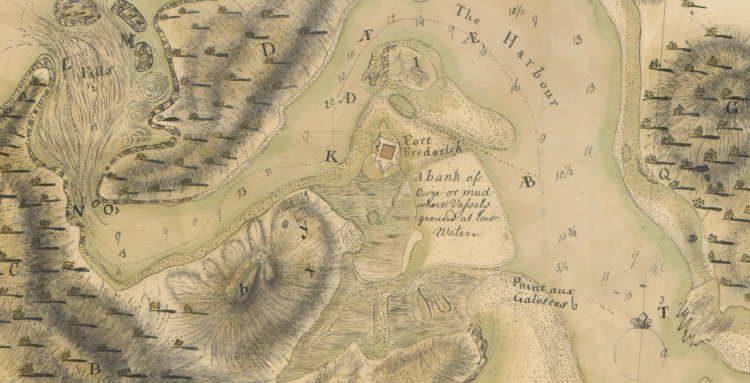
With sea levels rising, with flooding and storm surge becoming more intense and more frequent, our coastal cities are on the front line—literally—of the effects of climate change. But not only have we warmed those seas and powered those storms by our use of fossil fuels, we have also made our cities more vulnerable to these changes by building into and over tidewater.
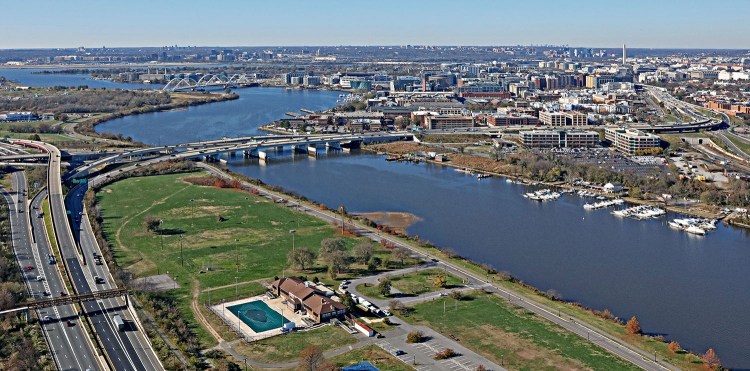
Editor’s note: This month we are featuring work by historians that extend Beyond the Urban. This is our third post in the series. by S.D. Hodell There are two main waterways in the Washington, DC, metro area: the Potomac and the Anacostia. The two rivers are a study in contrasts. The Potomac separates Maryland and […]
Debjani Bhattacharyya, PhD Professor and Chair for the History of the Anthropocene Department of History, University of Zürich Twitter: @itihaashtag Describe your current research. What about it drew your interest? I am currently working on a project tentatively titled “Climate Futures’ Past: Law and Weather Science in the Indian Ocean World.” Ranging from the eighteenth […]
Editor’s note: This is the fifth post in our theme for January 2022, Urban Environmentalism. Additional entries can be seen at the end of this article. By Amanda K. Philips de Lucas Regulating Urban Runoff Presently, cities across the United States battle a microscopic foe. The particulate matter of urban existence, during wet weather events, […]
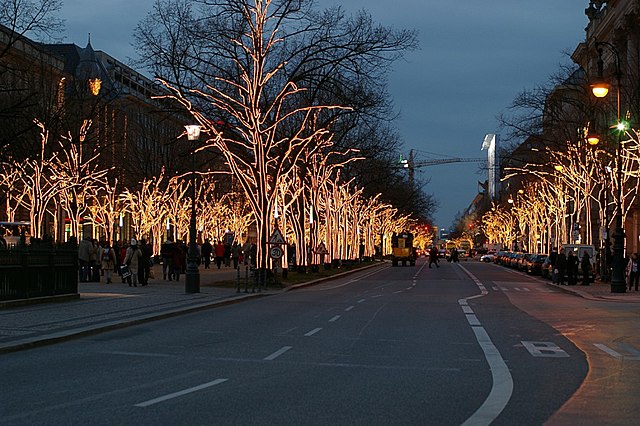
Dümpelmann, Sonja. Seeing Trees: A History of Street Trees in New York and Berlin. New Haven: Yale University Press, 2019. Reviewed by Sara E. Levine Seeing Trees: A History of Street Trees in New York and Berlin by Sonja Dümpelmann is more than a history of street trees in two cities. It is about politics […]



 The Metropole