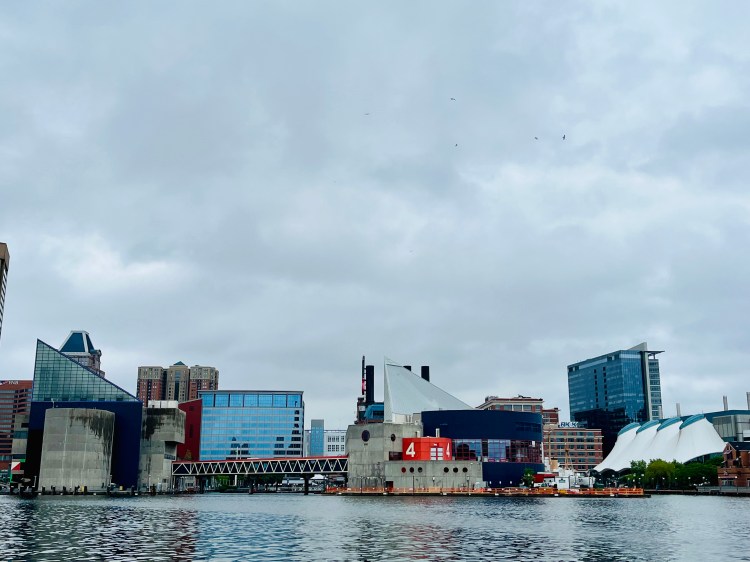
This piece is an entry in our Eighth Annual Graduate Student Blogging Contest, “Connections.” by Weilan Ge American ecologist Loren Eiseley once said, “If there is magic on this planet, it is contained in the water.”[1] The National Aquarium in Baltimore (NAIB) puts this message at the entrance for all visitors to see, illustrating that […]
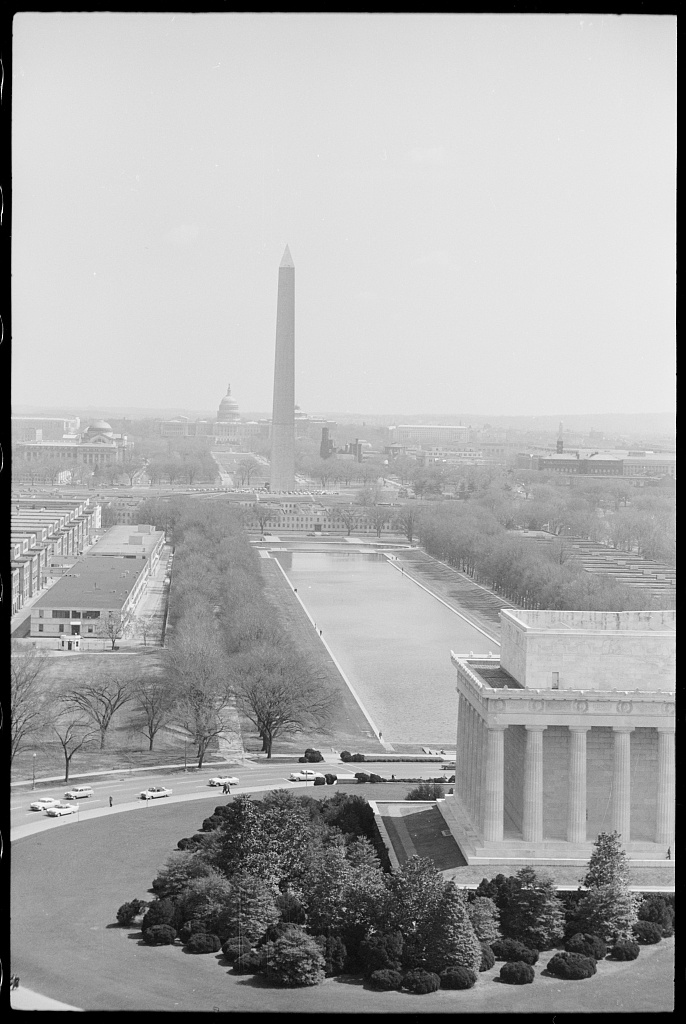
This is the first post in our Metropolis of the Month for November 2023: Washington, DC, in the Twentieth Century. “If any city in the United States has borne the burden of serving as a symbol of American aspirations and has simultaneously been the place. . .where the issues of civilization have been focused, it […]
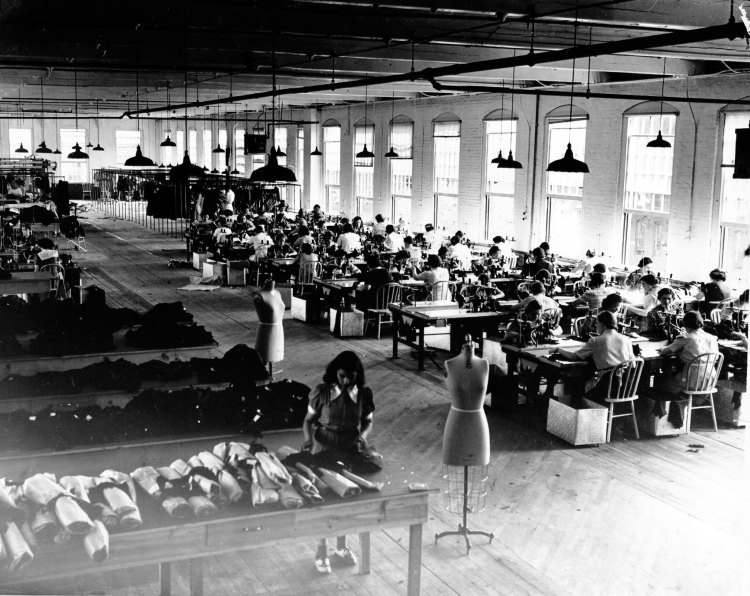
Pouillard, Véronique. Paris to New York: The Transatlantic Fashion Industry in the Twentieth Century. Cambridge, MA: Harvard University Press, 2021. Reviewed by Lauren Laframboise If you’ve bought clothes in recent decades, chances are that they’re products of a dizzyingly complex supply chain, involving hundreds of different people’s labor across several distant towns and cities. Although […]
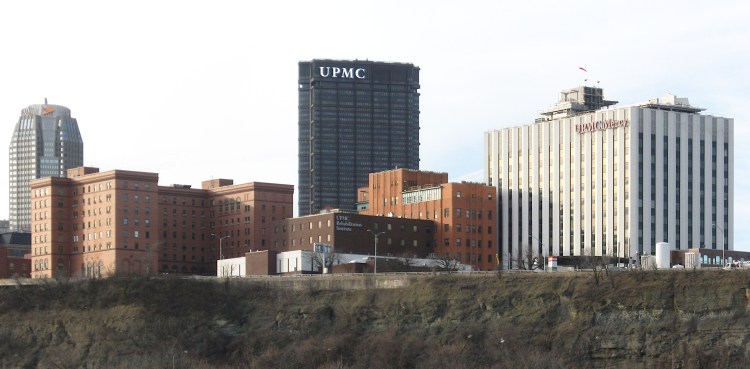
Simpson, Andrew T. The Medical Metropolis: Health Care and Economic Transformation in Pittsburgh and Houston. Philadelphia: University of Pennsylvania Press, 2019. Reviewed by Kenneth Alyass The COVID-19 pandemic has made the geographies of health care systems visible in new ways, as cameras have focused on the harrowing scenes of filled-to-capacity ICUs, health care workers draped […]
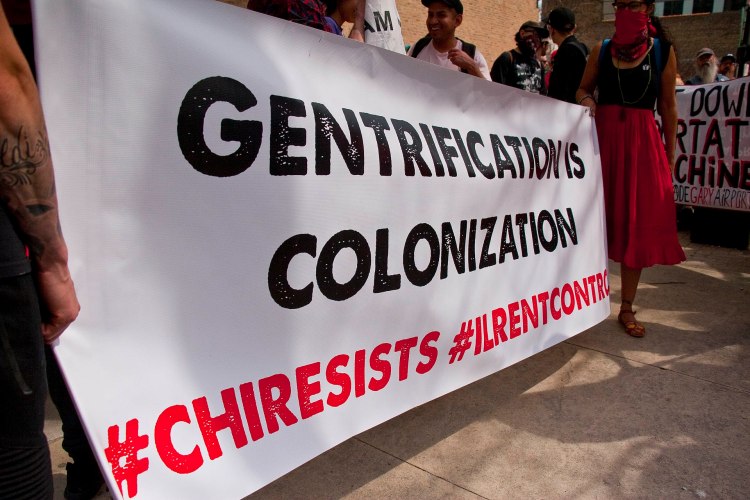
Samuel Stein. Capital City: Gentrification and the Real Estate State. Brooklyn, NY: Verso, 2019. By Amanda Boston The process of exclusionary development we know as “gentrification”—and the working-class communities and cultures it displaces—has preoccupied urban residents and other stakeholders for decades. Scholars have explored transformation of the process from a scattered residential phenomenon into a […]
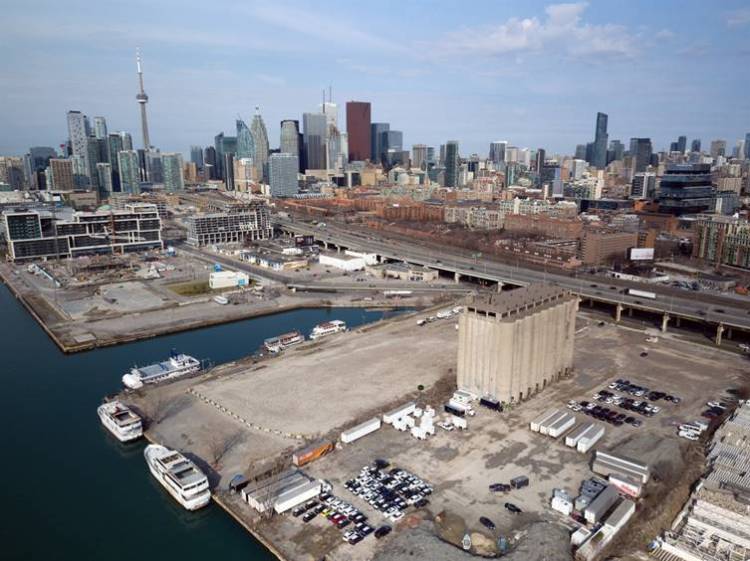
By Mariana Valverde and Alexandra Flynn In May of 2017, Waterfront Toronto (WT), a tri-government agency, issued a Request for Proposals (RFP) seeking an “innovation and funding partner” for a “smart city” plan on a small site on the waterfront. This RFP marked a major departure for a public agency that had long been assembling and cleaning […]
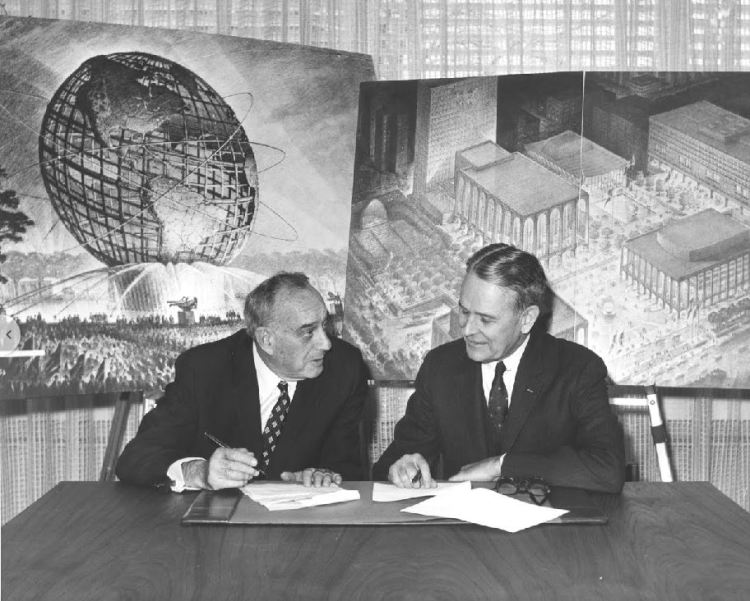
This piece by Katie Uva is the first entrant into the Third Annual UHA/The Metropole Graduate Student Blogging Contest. We invited graduate students to submit essays on “the birth, death, or aging of institutions, neighborhoods, cities, or suburbs,” and Uva hones in on the life cycle of the New York World’s Fair to argue that […]


 The Metropole