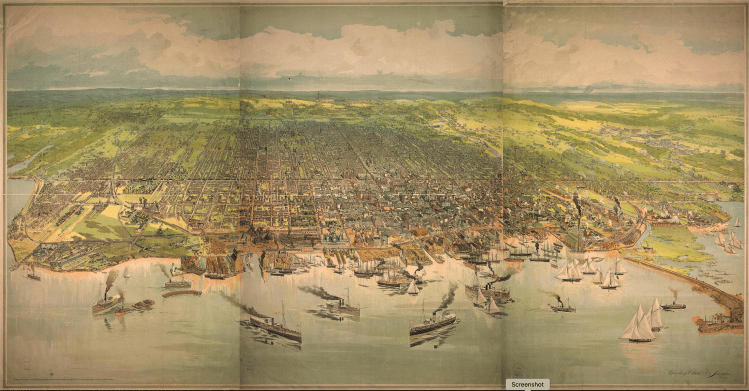
This is the eight and final post in Urban and Environmental Dialogues, our January collaboration with the Network in Canadian History and Environment (NiCHE). For other entries in the series, see here. By Andrew Watson In July 1896, Chicora, Oliver Mowat, and Ann Brown docked at Toronto Harbour. Each had come from a different corner of Lake Ontario bearing […]
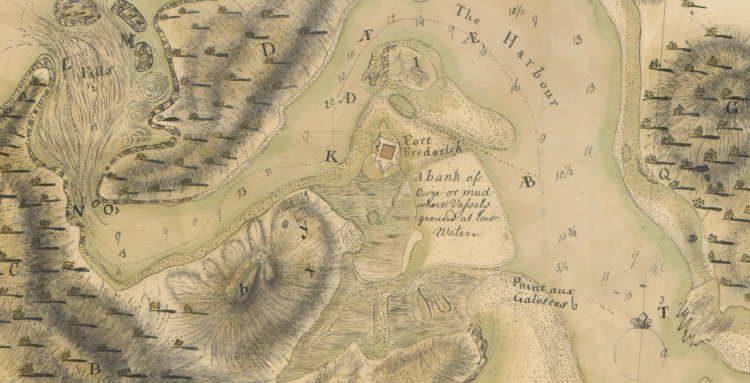
This is the fifth post in Urban and Environmental Dialogues, our January collaboration with the Network in Canadian History and Environment (NiCHE). For other entries in the series, see here. By John Bessai I used to study cities through their official monuments, statues and commemorative plaques. In the process, I started to understand cities through natural elements, including stones, […]
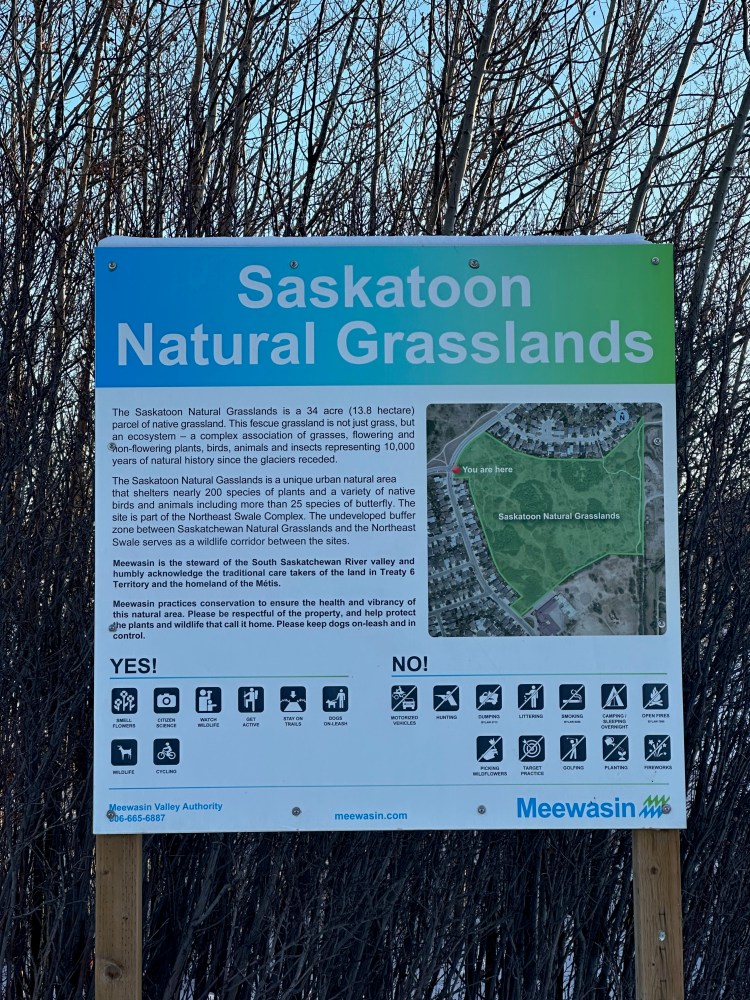
This is the fourth post in Urban and Environmental Dialogues, our January collaboration with the Network in Canadian History and Environment (NiCHE). For other entries in the series, see here. By Carmen Gilmore In summer 2021, I volunteered with the Saskatchewan Native Plant Society to create a photographic wildflower brochure of the Saskatoon Natural Grasslands (the Grasslands). I’d become […]
With sea levels rising, with flooding and storm surge becoming more intense and more frequent, our coastal cities are on the front line—literally—of the effects of climate change. But not only have we warmed those seas and powered those storms by our use of fossil fuels, we have also made our cities more vulnerable to these changes by building into and over tidewater.
Editor’s note: This is the second post in our theme for January 2022, Urban Environmentalism. Additional entries can be seen at the end of this article. By Clarence Hatton Throughout the twentieth century in North America, the material presence of energy has tended to disappear gradually from cities. Following evolutions in transport technology and changes […]
Harold Bérubé Full Professor of History Université de Sherbrooke (Canada). @HaroldBerube https://haroldberube.com Describe your current research. What about it drew your interest? I recently published a book on the history of Quebec’s main municipal association, created in 1919. In a way, it completes a research cycle on municipal governance that started with my research on […]
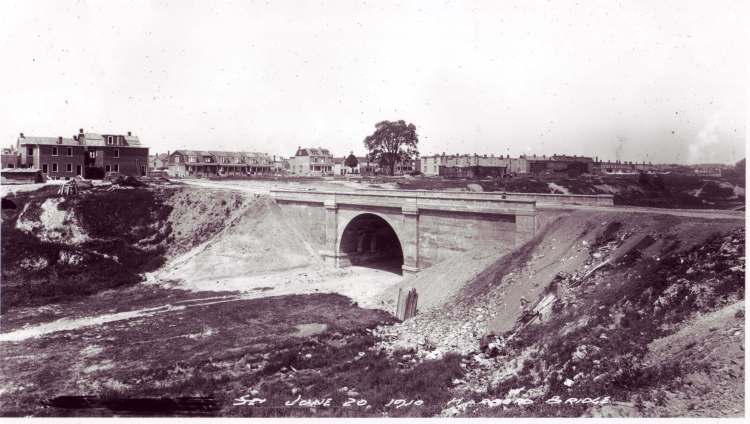
By Jennifer Bonnell Flying into Toronto, I am always struck by the density and reach of its urban tree canopy. In addition to the mature trees of its leafier, privileged neighborhoods, the city wraps itself around the forested, forking ravines of three major river valleys: from west to east, the Humber, Don, and Rouge River […]


 The Metropole