Editor’s Note: This is the fourth post in our theme for February 2025, “Celluloid City,” which explores the role of and interplay between cities and film. You can see all posts from the theme here By Alyssa Lopez In March 1935, when sixteen-year-old Lino Rivera pocketed a knife while cutting through the S.H. Kress dime […]
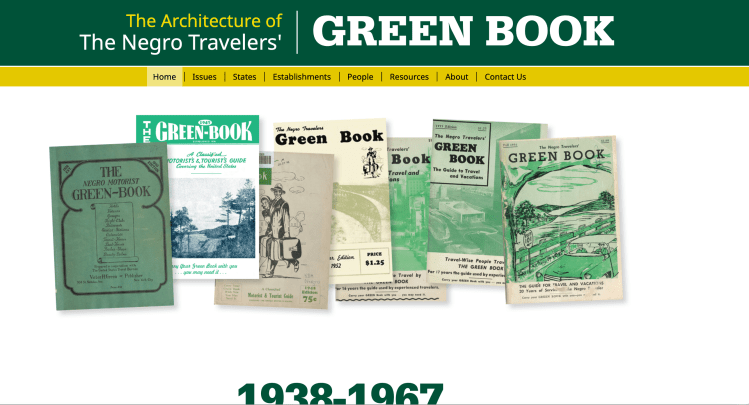
During the summer of 2016, architectural historians Anne E. Bruder, Susan Hellman, and Catherine W. Zipf came together over their shared interest in documenting the history of The Negro Travelers’ Green Book, more commonly referred to as simply “the Green Book.” As noted in their interview below, a series of conference engagements led to the […]
By J. Mark Souther Few things embody the freedom of American life more than mobility, and perhaps no other form of transportation, for better and worse, has defined mobility in the United States like cars. Yet in the era of Jim Crow, mobility for Black families could be dangerous, even deadly; hence the need for […]
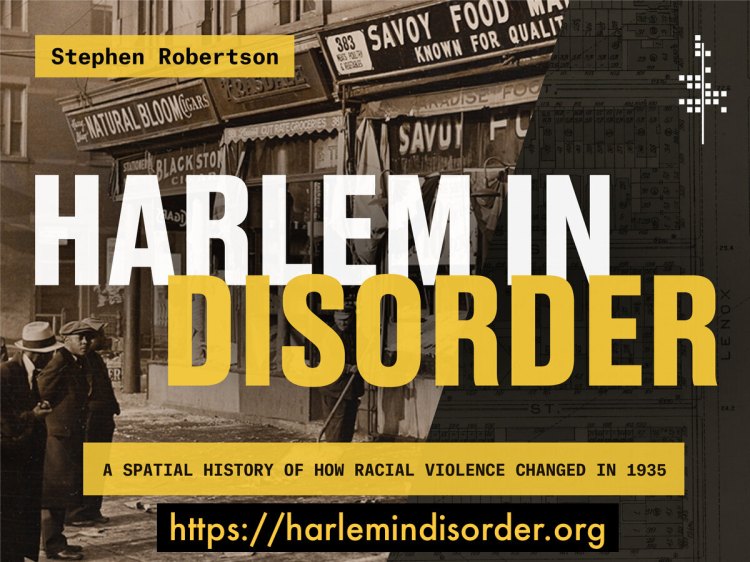
The Metropole Bookshelf is an opportunity for authors of forthcoming or recently published books to let the UHA community know about their new work in the field. by Stephen Robertson I was not intending to write Harlem in Disorder: A Spatial History of How Racial Violence Changed in 1935 when my University of Sydney colleagues […]
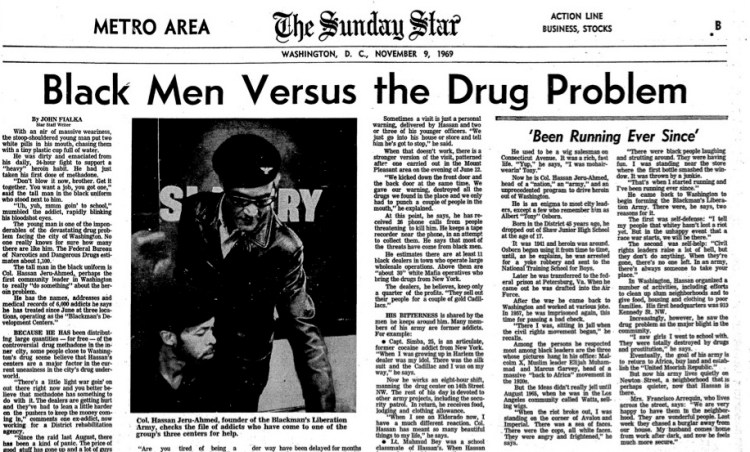
By Ryan Reft “The cost to the community of drug-related crime is staggering,” Chief Judge of the District of Columbia Court of General Sessions Harold H. Greene asserted to the United States Senate in June of 1970. Accepting more “conservative estimates,” Greene suggested that 10,000 addicts resided in the District of Columbia, spending “$40 to […]
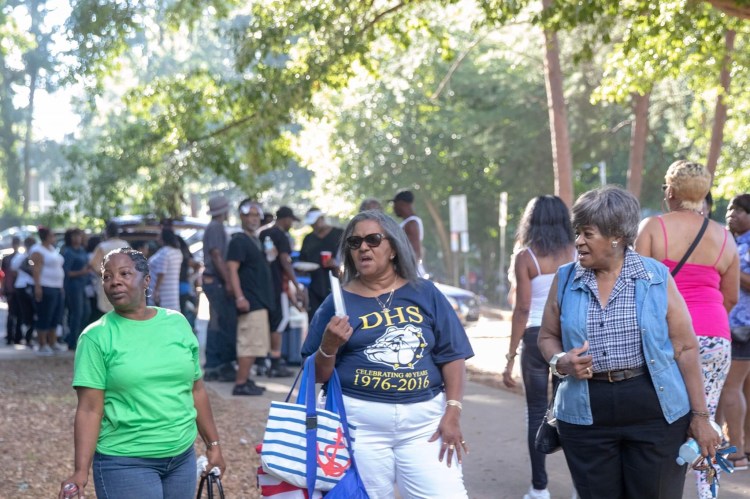
By David S. Rotenstein “Decatur Day is part of history. It’s a part of Black history. It’s a part of the Black culture,” Chevelle Eberhart-Lee told me in a recent interview. “And if this day discontinues, it’s like erasing a part of history.” Eberhart-Lee’s family has been in Decatur for more than a century. Her […]
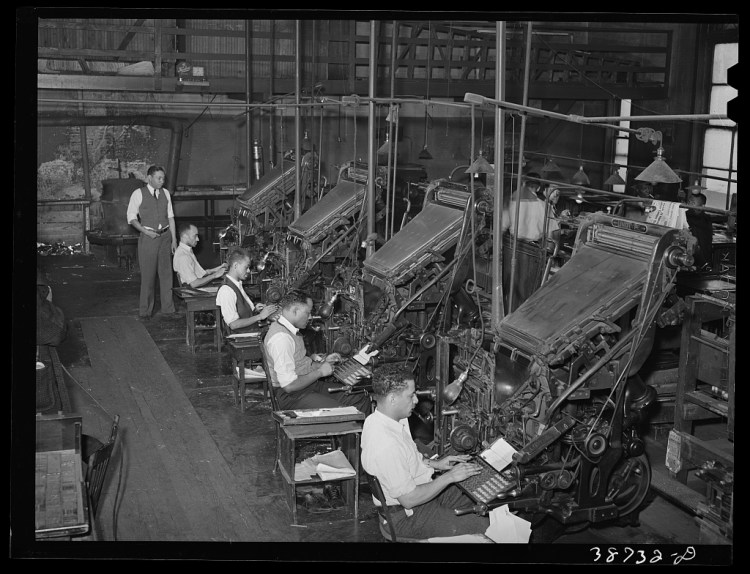
Begun initially as a blog in 2015, before expanding to include photographs, maps, and other historical artifacts, Building the Black Press explores the publishing plants, corporate offices, and production spaces used by Black periodicals and their contributors from the nineteenth century to the present day. It highlights why Black press buildings matter—as sites of historic […]


 The Metropole