In a 2014 interview, indie rock malcontent Stephen Malkmus reflected on 1990s nostalgia. “It’s a time that seems romantic to people now, whereas at the time, it seemed like a cynical era,” he told the magazine. “There were all these worries about selling out and the Man and corporate rock and irony and sincerity. But […]
This is the inaugural post in a series highlighting urban and suburban public history projects. The Chrysler Village History Project has its origins in the spring semester of 2013, when a group of history graduate students from Loyola University Chicago nominated the Chrysler Village neighborhood on Chicago’s southwest side to the National Register of Historic […]
In many ways, 1977 represented a great deal of possibility for Seattle’s LGBTQ community. Granted in years prior, the Gay Community Center on Renton Hill had been bombed and Robert Sirico’s gay Metropolitan Community Church faced possible closure, yet on July 1, 1976 the state’s anti-sodomy law was repealed and the Seattle City Council had […]
Although Professor Holly Tucker wrote her new book for a non-academic audience, City of Light, City of Poison: Murder, Magic, and the First Police Chief of Paris begins with a scene uniquely suited to evoke terror and handwringing from historians. The preface, which Tucker entitles “Burn Notice,” is set in the palace of Versailles in […]
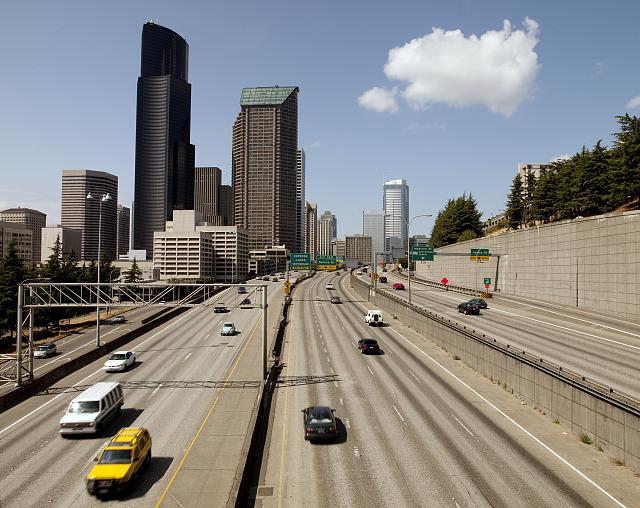
The historiography of Seattle evades simple classification. Urban historians might ask, why Seattle? What does the city’s history contribute to our understanding of urban planning, housing policy, and the urgent questions surrounding race and policing? Where to locate Seattle within regional and cartographic taxonomies, and their attendant historiographies, is similarly fraught. Indeed Seattle features prominently […]
My first introduction to Mexico City was in December of 1988. I was a college junior, returning from a semester abroad of study in Central America. As my plane flew over the city for what seemed to be an eternity before landing at the airport, I marveled at the astounding space and scope of […]
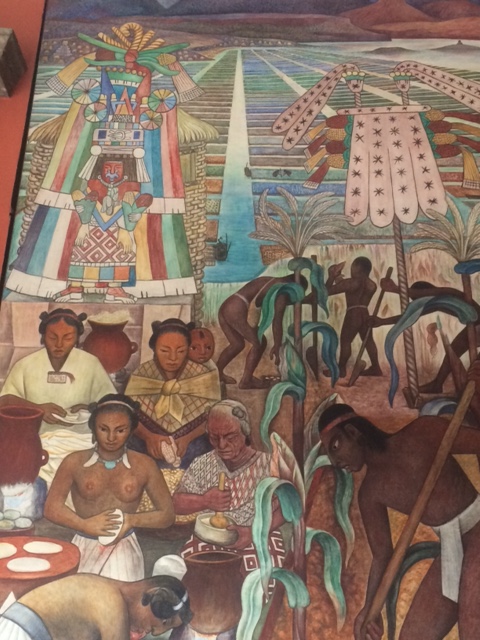
Most visitors to Mexico City gain their first, and perhaps last, insight into the close relationship between art and politics from the murals of Diego Rivera. Located inside the former Secretariat of Education, a neo-colonial building on the capital’s grand central plaza, the murals date to the 1920s, a period of political consolidation after the […]
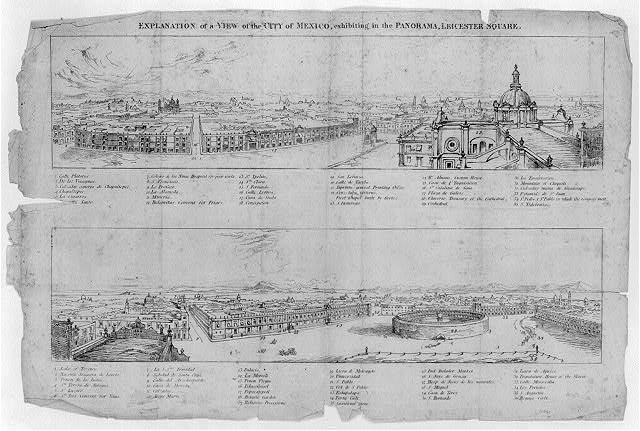
A few weeks after co-editor Ryan Reft and I decided to feature Mexico City as the Metropolis of the Month for May, I received a call from my parents inviting me to accompany them on a short trip to Mexico City over Memorial Day Weekend. The coincidence seemed auspicious, and so I accepted the offer […]
Until images of Beijing air pollution captured the world’s attention several years ago, few megalopolises rivaled Mexico City in the global imaginary of urban disaster and unsustainability. In the 1980s and early 1990s, news of black smog clouds asphyxiating Mexico’s capital and of birds falling to their death from pollution circulated in major media […]
At the end of the 1940s, Mexico City was at a crossroads. Massive waves of migration from the countryside doubled the city’s population in less than ten years.[1] The city’s old tenements (vecindades) began to buckle under the weight of overcrowding and talk of a “housing crisis” became commonplace. The problems surrounding Mexico City’s housing […]




 The Metropole