In 1993, the Hawaii Supreme Court issued a ruling that would prove prescient. Ninia Baehr and Genora Dancel, along with two other couples, had filed a lawsuit against the state in order to have a marriage license issued to them. At the time, Hawaii state law banned same sex nuptials. Surprisingly, while the court did […]
Critics often assail Joan Didion with accusations of solipsism. At first glance, Didion’s writings regarding her time in Honolulu confirm such assertions. “I am a thirty four year old woman with long straight hair and an old bikini bathing suit and bad nerves sitting on an island in the middle of the Pacific waiting for […]
University of Hawai’i Professor William Chapman has spent a lifetime working in historic preservation. A former Fulbright scholar and two time Fulbright Senior Specialist, he knows a thing or two about preserving urban history and architecture for future generations. Chapman currently serves on three international committees dedicated to preserving historical sites: History and Theory, Historic Towns […]
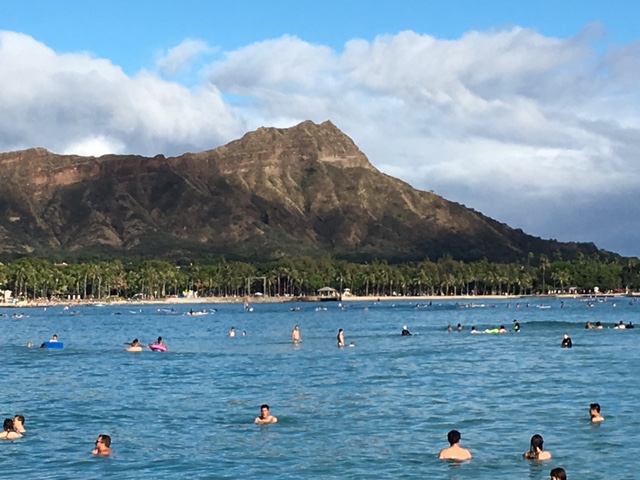
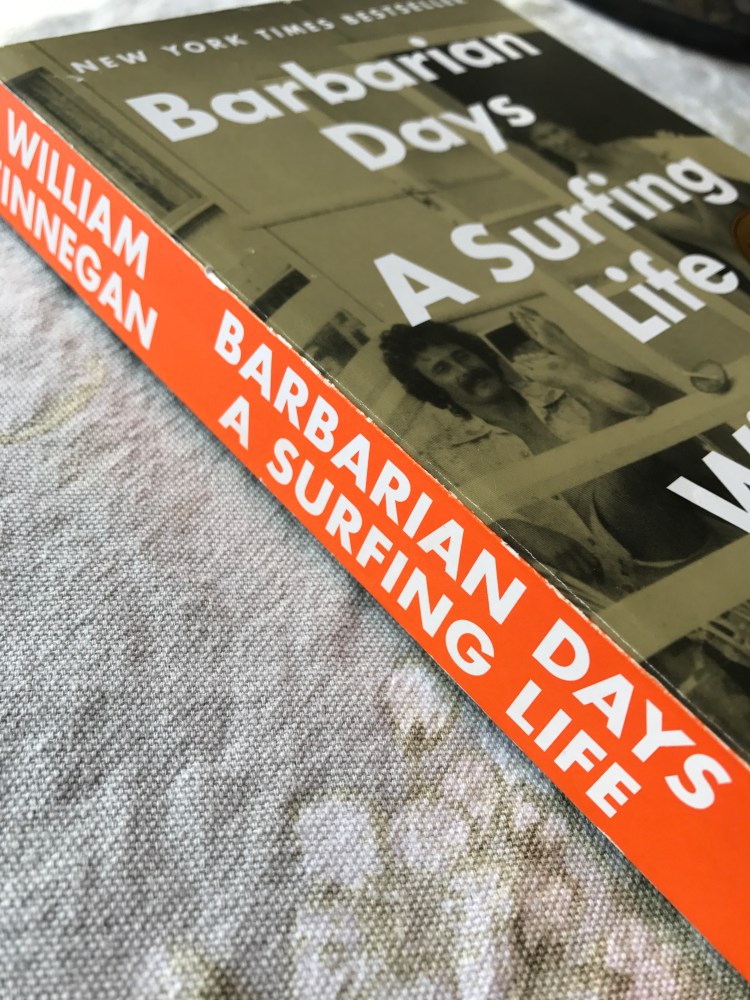
Until I read Barbarian Days: A Surfing Life, William Finnegan’s Pulitzer Prize-winning memoir of his life as a surfer, I had little desire to visit Hawai’i. Like Ryan, my impression of the islands was drawn largely from Hollywood films and television, and reinforced by friends’ honeymoon photo albums on Facebook. Seen through these lenses, Hawaii […]
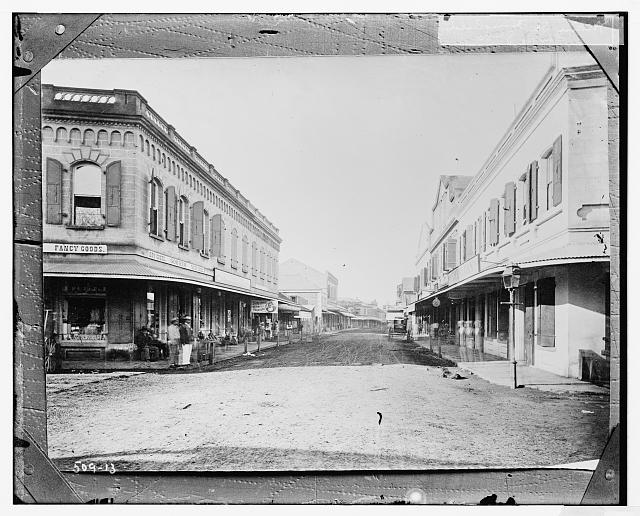
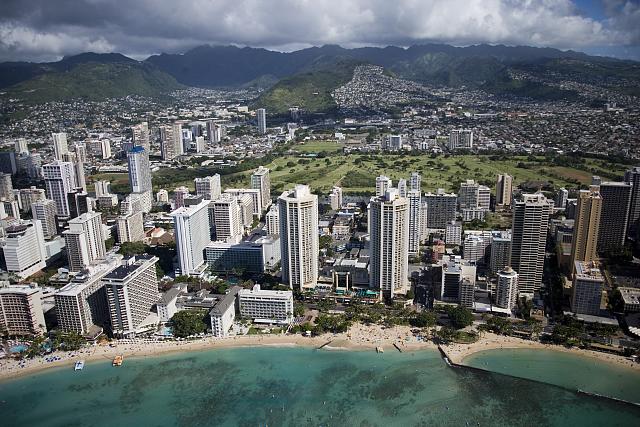
Translated as either “calm bay” or “sheltered harbor,” Honolulu is, after Auckland, New Zealand, the second largest city in Polynesia; it has been since 1845 the capital of the Kingdom of Hawai’i, and it is by far the most populous of the state of Hawai‘is metropolitan areas with just under 1,000,000 residents.[1] Honolulu has the […]
There is something undeniably charming about the Honolulu Airport’s late 1950s/early 1960s aesthetic. I’m not sure about smelling “tuberose and plumeria” upon arrival as one writer promised, but that might be because I don’t actually know what either of those scents smell like. I do know that the airport’s baggage claim area has distressingly low ceilings […]
“[T]here really never will be another Silicon Valley,” Margaret O’Mara wrote in 2008, “the Valley remains a truly unique ecosystem for technological innovation, with specialized niches and decades‐old interpersonal networks. However, it’s no longer the only game in town. The people and firms of the Valley are part of a global supply chain in which […]
In his 2003 work, The Contradiction of American Capital Punishment, University of California law professor Franklin E. Zimring suggested that a correlation existed between lynchings and capital punishment; states with more of the former participated at higher rates in the latter. Zimring’s statistics, Elaine Cassel argued, “should give pause to anyone who believes that the […]
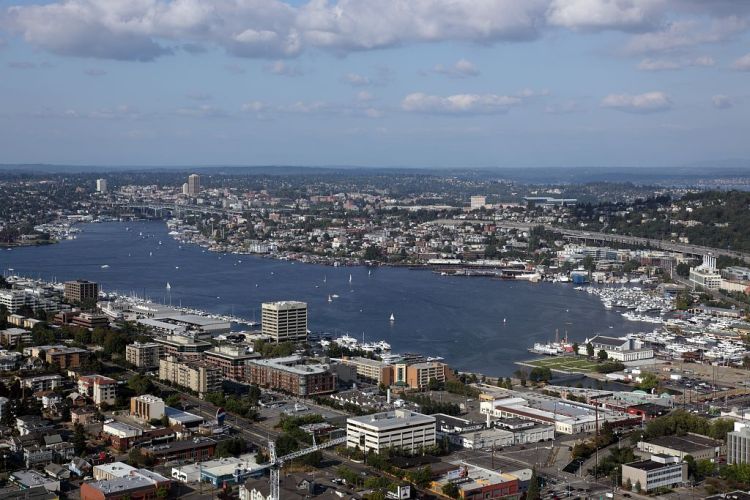
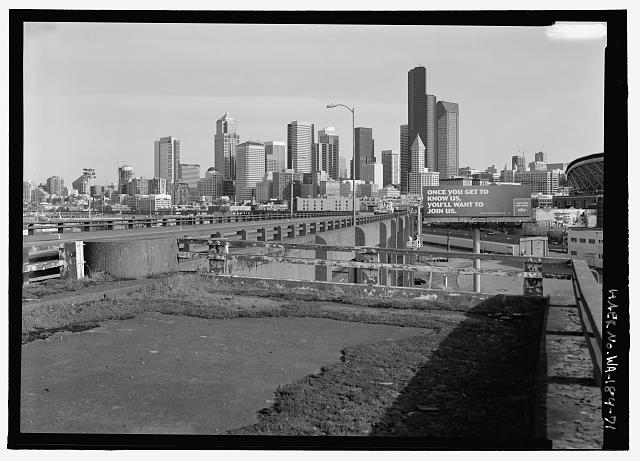
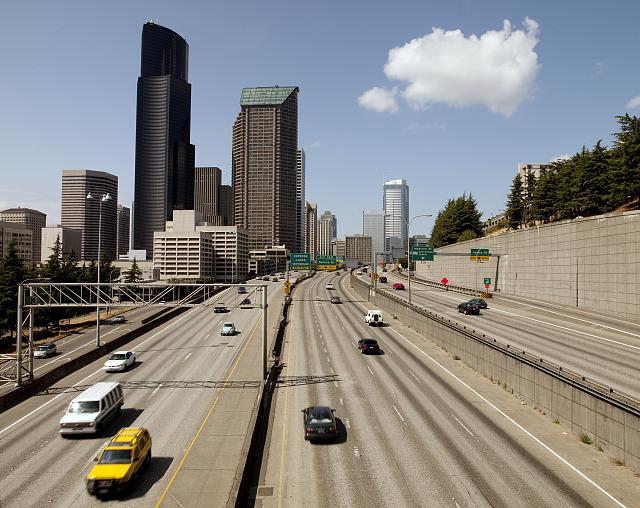
Seattle has long been connected to cutting edge technology: Boeing’s aerospace dominance, Seattle’s 1962 World Fair, and more recently the rise of Microsoft and Amazon. The ascent of “digital Seattle” was arguably best captured in two books; Stephen Manes and Paul Andrews on Microsoft in Gates: How Microsoft’s Mogul Reinvented an Industry and Made Himself […]
In a 2014 interview, indie rock malcontent Stephen Malkmus reflected on 1990s nostalgia. “It’s a time that seems romantic to people now, whereas at the time, it seemed like a cynical era,” he told the magazine. “There were all these worries about selling out and the Man and corporate rock and irony and sincerity. But […]