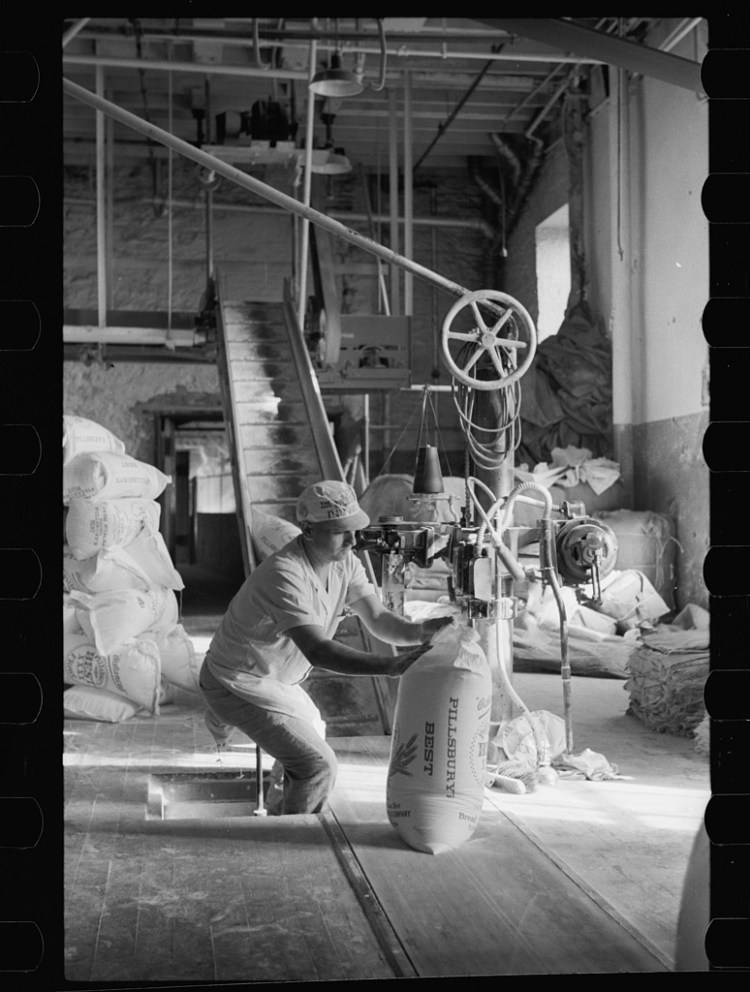
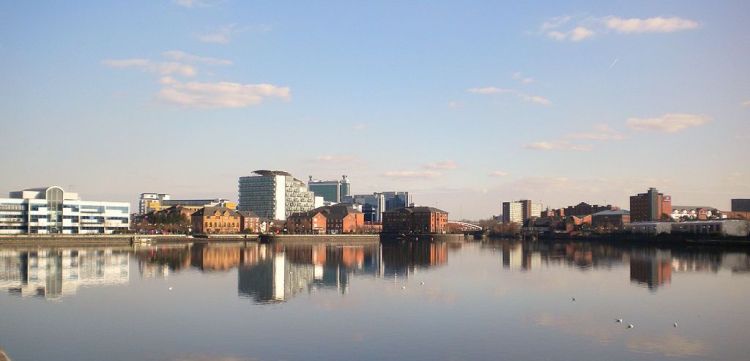
By Michael J. Lansing Dakota people call it Owámniyomni. For centuries, they envisioned the Mississippi River’s largest waterfall as a sacred place. The fifty-foot drop harbors an intense spiritual energy. In the 1820s, the arrival of the United States government—in the guise of white soldiers—gave rise to a new understanding of the falls they called […]
The Metropole’s listing of recent, forthcoming, or overlooked writing. Recent Books Driving While Black: African American Travel and The Road to Civil RightsBy Gretchen Sorin, Liveright, 2020 Overground Railroad: The Green Book and The Roots of Black Travel In AmericaBy Candacy Taylor, Abrams Press, 2020 See the USA in your Chevrolet America is asking you […]
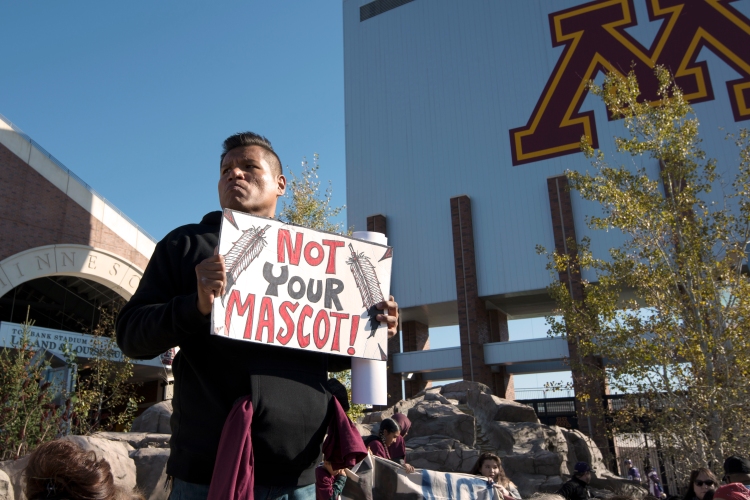
By Katrina Phillips Minnesota has always been a Native place. The state takes its name from a Dakota phrase, Mni Sota Makoce, which translates to “land where the waters reflect the clouds.” While the state’s capital is the other Twin City (St. Paul), Minneapolis is the largest city in the state. Its English name also […]
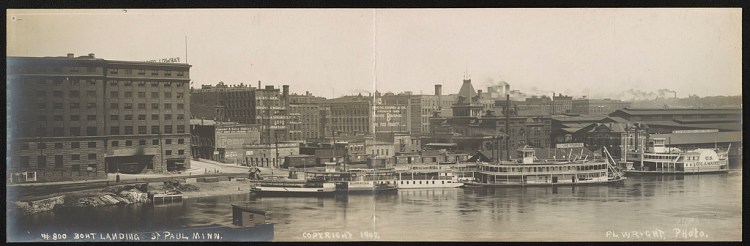
By Avigail Oren In This Tender Land (2019), William Kent Kreuger’s loose update of Huck Finn, the O’Banion brothers and their compatriots Emmy and Mose end up in St. Paul, Minnesota, after escaping from the Lincoln Indian Training School—and its despicable, abusive, headmaster Mrs. Brinkman—and sailing down the Minnesota River in a canoe. After passing […]
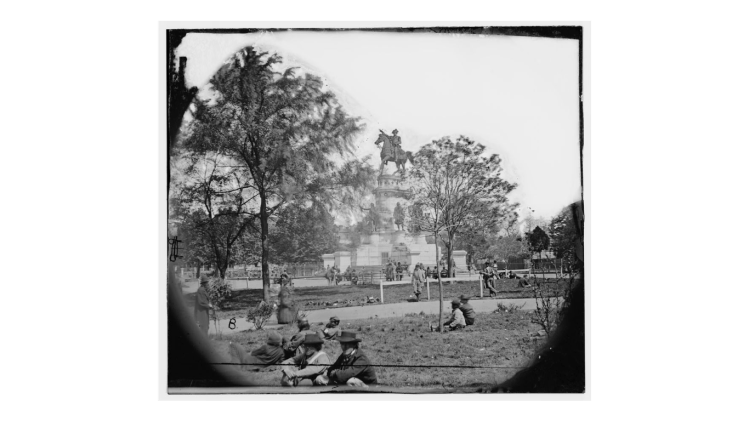
Ash, Stephen V. Rebel Richmond: Life and Death in the Confederate Capital. Chapel Hill: University of North Carolina Press, 2019. Reviewed by Griffin Jones Protests took hold of Richmond, Virginia, over this summer regarding the place of monuments and statues to Confederate leaders in the city. A storm of national debate around the place of […]
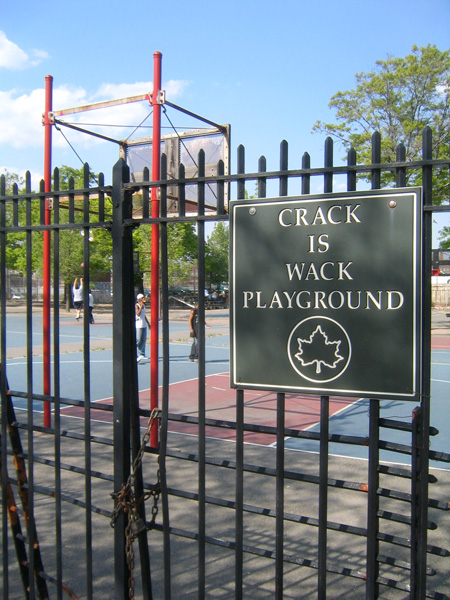
Farber, David. Crack: Rock Cocaine, Street Capitalism, and the Decade of Greed. Cambridge: Cambridge University Press, 2019. Reviewed by Kim Hewitt In Crack: Rock Cocaine, Street Capitalism, and the Decade of Greed, David Farber does dual duty—first recapping contemporary drug policies and then tracing the US history of cocaine use and cocaine business operations. The […]
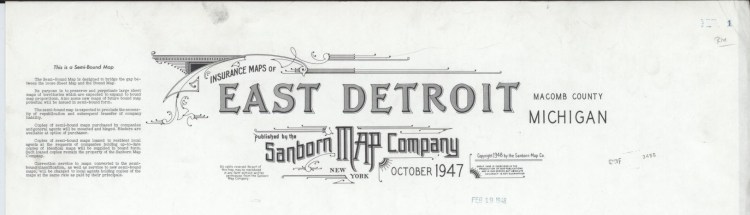
In this, the fourth and final entry into the Fourth Annual Urban History Association/The Metropole Graduate Student Blogging Contest, Kenneth Alyass turns a skeptical lens towards the stretches one Detroit suburb made to justify a name change—and asks the reader to also stretch and see that the ‘burb’s supposedly colorblind arguments were anything but. In […]
David Morton Assistant Professor of African History University of British Columbia david.morton@ubc.ca Describe your current research. What about it drew your interest? I recently published a book, Age of Concrete, a history of home construction, informal settlement, and decolonization in Mozambique’s capital city, Maputo, from the 1940s through the 1990s. The chapter that I most enjoyed […]
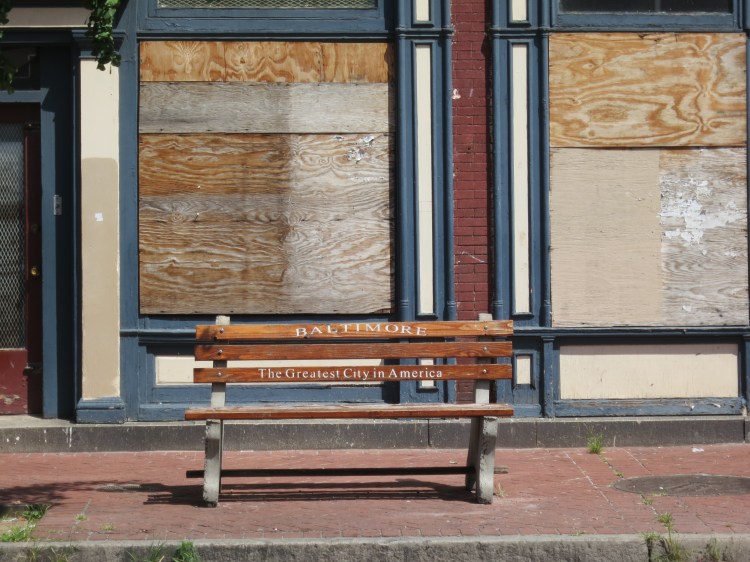
Rizzo, Mary. Come and Be Shocked: Baltimore beyond John Waters and the Wire. Baltimore: Johns Hopkins University Press, 2020. Reviewed by Daniel Cumming It was the “Prince of Puke”—also known as director John Waters—who pitched the idea to Baltimore’s Chamber of Commerce in the early 2000s. With aplomb only befitting such royalty, Waters urged civic […]
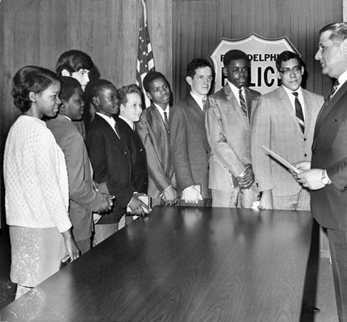
In this, our third entrant into the Fourth Annual UHA/The Metropole Graduate Student Blogging Contest, Menika Dirkson examines the stretches made by competing organizations—the Police Athletic League and the Black Panther Party—to effectively address the problem of juvenile crime and police-community violence in Philadelphia during the 1960s and ’70s. In 1976, Andre Martin was a […]