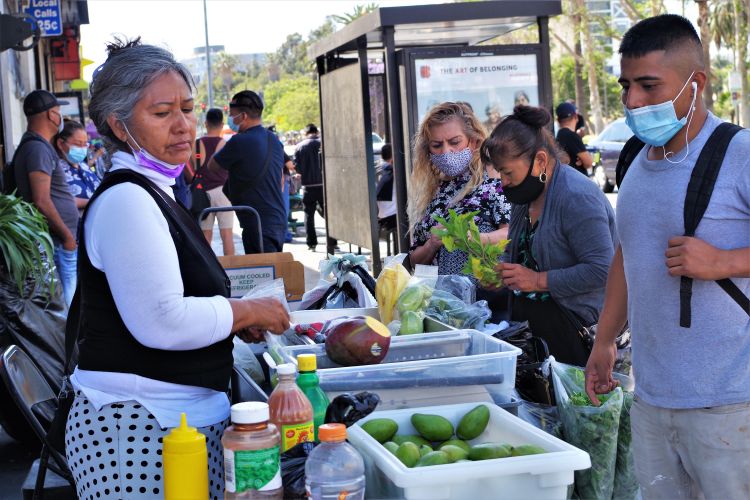
Editor’s note: This is the third post in our theme for November, The Latinx City. By David Helps Jorge Cruz Cortes was still a teenager when the Los Angeles Police Department arrested him for selling household goods without a license in 1989. The eighteen-year-old from Oaxaca, Mexico had been in L.A. long enough to know […]
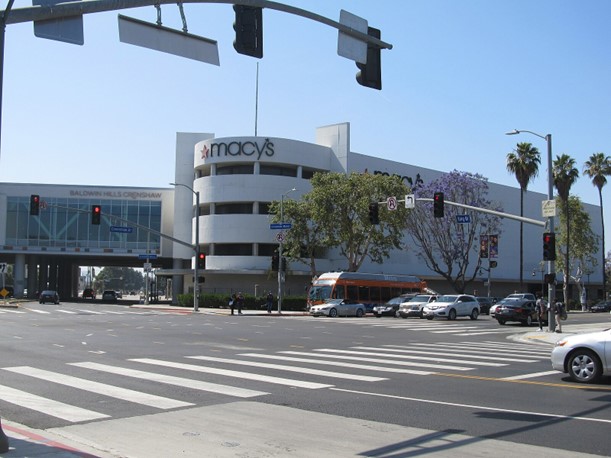
This piece is an entry in our Eighth Annual Graduate Student Blogging Contest, “Connections.” by David Bruno During the mid to late twentieth century, shopping centers in America served as community cornerstones, providing communal spaces and establishing national social and cultural connections based on mutual shopping experiences and product consumption. Weakening regional differences and contributing […]
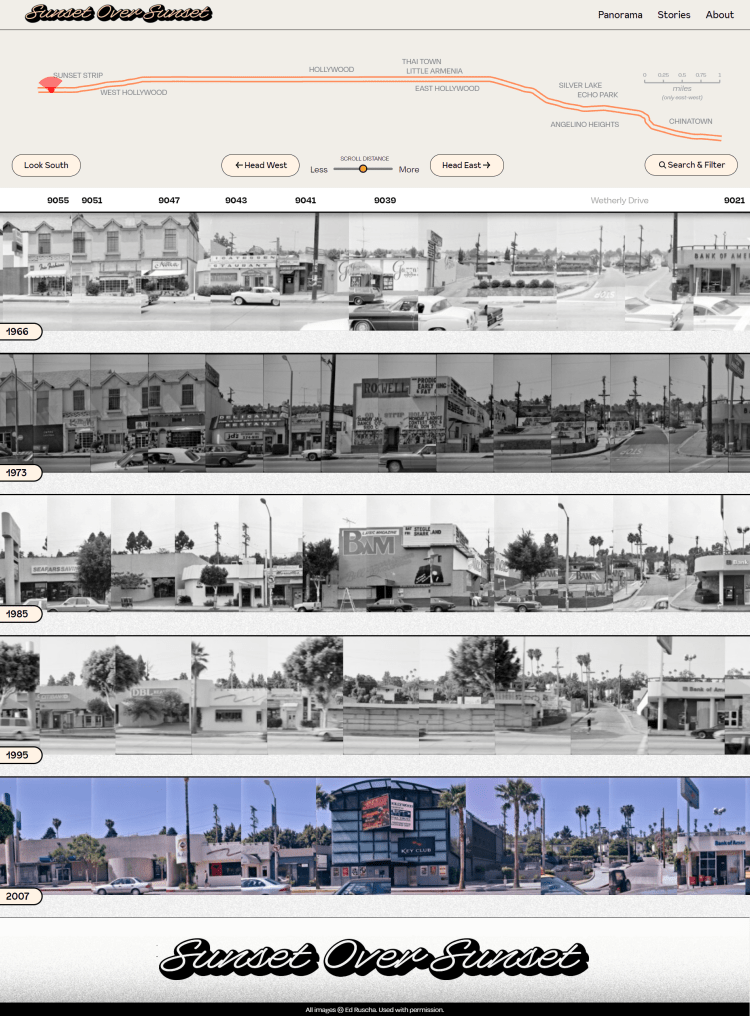
If you’ve been to Los Angeles recently and had the opportunity to visit the Los Angeles County Museum of Art (LACMA), perhaps you were able to drop in on its new exhibit, “Ed Ruscha/Now Then“. Ruscha has long been an observer of the city, especially with regard to its vernacular and commercial architecture. While the […]
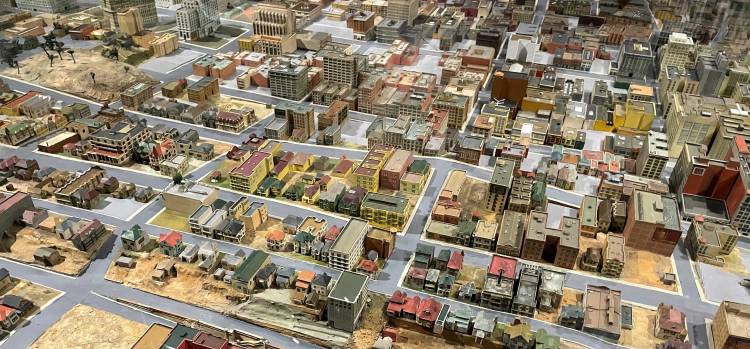
Though still undergoing construction, Bunker Hill Refrain, a digital humanities endeavor from the University of Southern California, provides a window into an innovative project that has at once taken shape but is also still taking full form. A synecdoche for the city’s larger history, “Bunker Hill is emblematic of the choices we made,” notes Meredith […]
Jon Wiener and Mike Davis. Set the Night on Fire: L. A. in the Sixties. New York: Verso Books, 2020. Reviewed by Ryan Reft Anyone who chooses to focus on Southern California history must consult the work of Mike Davis. Full stop. Keep in mind you don’t necessarily have to agree with Davis, but you […]
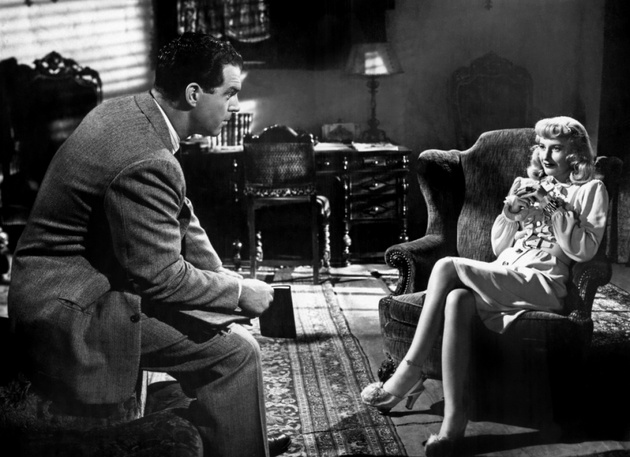
“Hold tight to that cheap cigar of yours Keyes. I killed Dietrichson, me, Walter Neff, insurance salesman, 35 years old, unmarried, no visible scars, until recently that is.” Fred MacMurray’s mortally wounded protagonist of Double Indemnity confesses to his supervisor Barton Keyes’ (Edward G. Robinson) dictaphone. A suburban insurance salesman seduced by a married seductress, […]
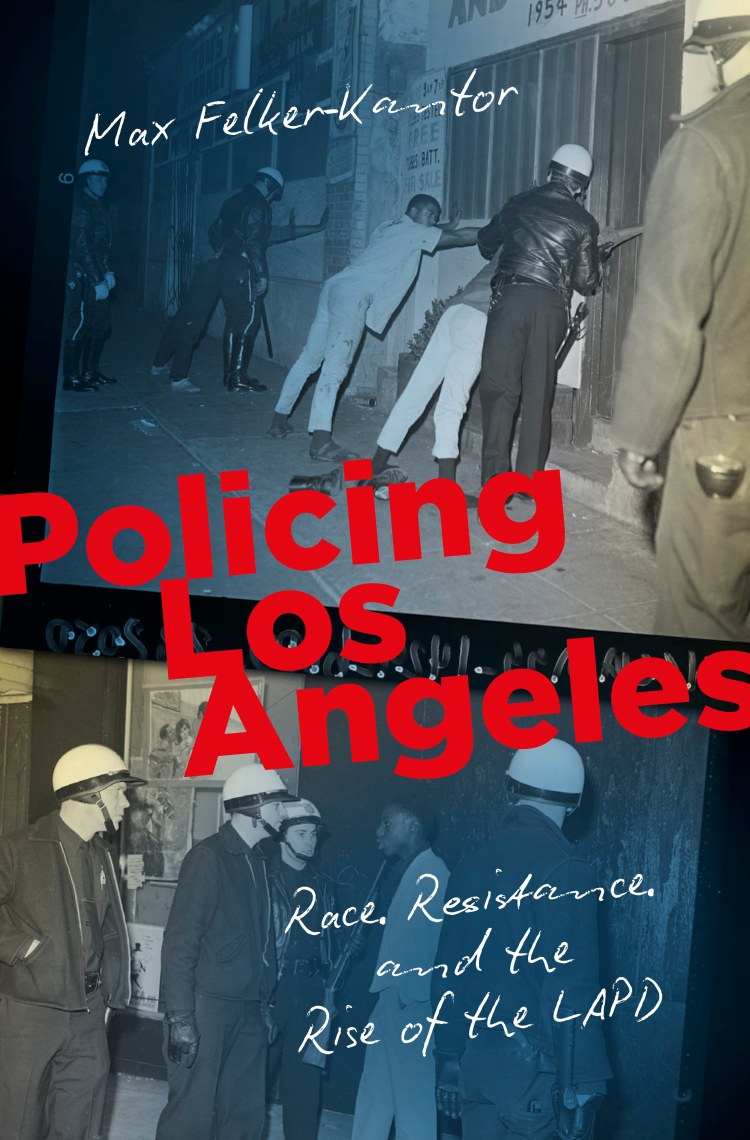
The Metropole Bookshelf is an opportunity for authors of forthcoming or recently published books to let the UHA community know about their new work in the field. By Max Felker-Kantor Felker-Kantor, Max. Policing Los Angeles: Race, Resistance, and the Rise of the LAPD. Chapel Hill: University of North Carolina Press, 2018. “A strong, visible police […]
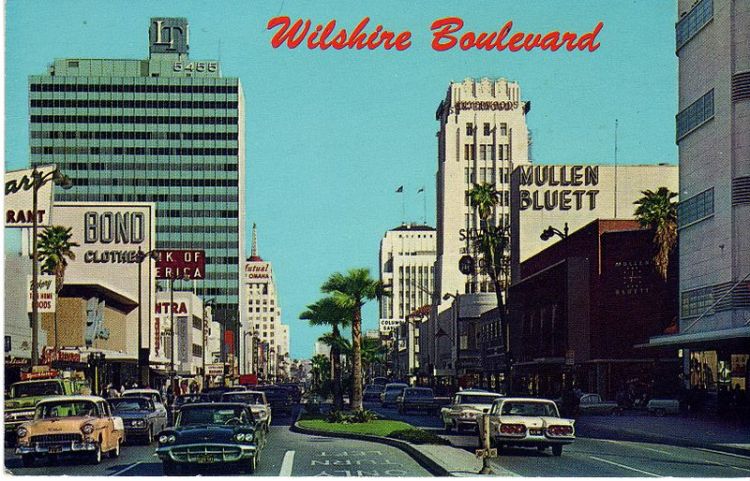
Perhaps it’s fitting that I ended my week-long sojourn to the City of Angels eating Sushi on Sunset Boulevard while sitting behind 1990s super model Fabio. As someone who came of age in the 1990s – I graduated high school in 1994 and college in 1998 — the Los Angeles of 20th century fin de […]
Recently, UHA member, historian and social media personality extraordinaire Kevin Kruse tweeted out a thread of advice on writing in which the Princeton professor noted that historians, young and old alike, would do well to read outside of the field. Though the thread covered a great deal of territory, Kruse emphasized the need for historians […]
By Meredith Drake Reitan, MPL, PhD On February 7, 2017, the Los Angeles City Council ruled against colleagues on the Cultural Heritage Commission. After a lengthy and emotional public comment period, the Council decided not to designate Parker Center, the longtime headquarters of the Los Angeles Police Department, a local historic monument. The following month, […]


 The Metropole