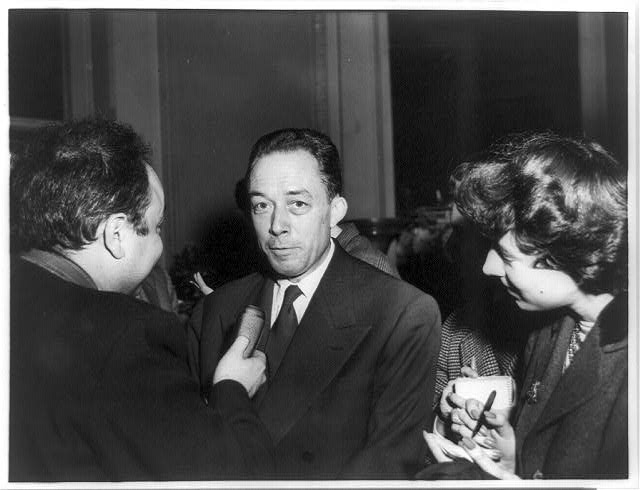
“What is so detestable about war is that it reduces the individual to complete insignificance,” wrote the English surrealist poet David Gascoyne during World War II. Existentialism, which began with phenomenology prior to World War I and came of age during the Second World War, arose in an era of “extreme ideology and extreme suffering” […]
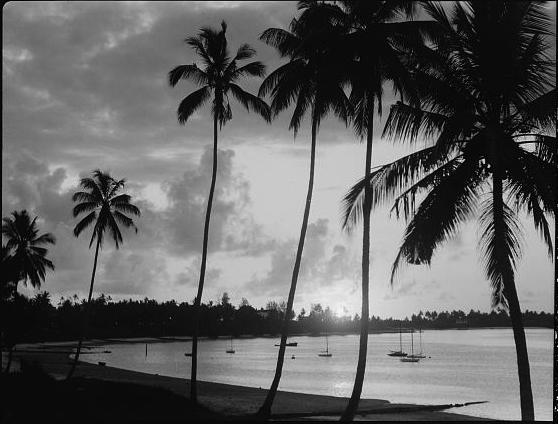
By Emily Callaci In the late 1970s, Dar es Salaam, Tanzania was one of the most rapidly growing cities in the world. Each year, thousands of young men and women left their rural homes and made their way to the city, expanding the squatter settlements and the ranks of the city’s youth population. The global […]
Recently, UHA member, historian and social media personality extraordinaire Kevin Kruse tweeted out a thread of advice on writing in which the Princeton professor noted that historians, young and old alike, would do well to read outside of the field. Though the thread covered a great deal of territory, Kruse emphasized the need for historians […]
Andrew Konove Assistant Professor Department of History, University of Texas at San Antonio @AndrewKonove Describe your current research. What about it drew your interest? I just completed my first book, Black Market Capital: Urban Politics and the Shadow Economy in Mexico City, which will be published later this spring. It traces the history of Mexico […]
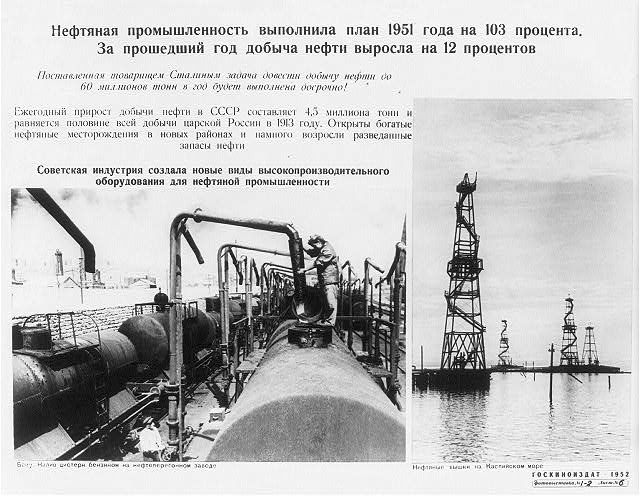
By Kelsey Rice In 1806, the city of Baku was a sleepy port town of about 3,000-5,000 Turkic and Persian Muslims, governed by a local Khan who swore fealty to the Qajar state. Compared to the cities of Shamakha to the north and Shusha to the west, it was a relative cultural and political backwater, […]
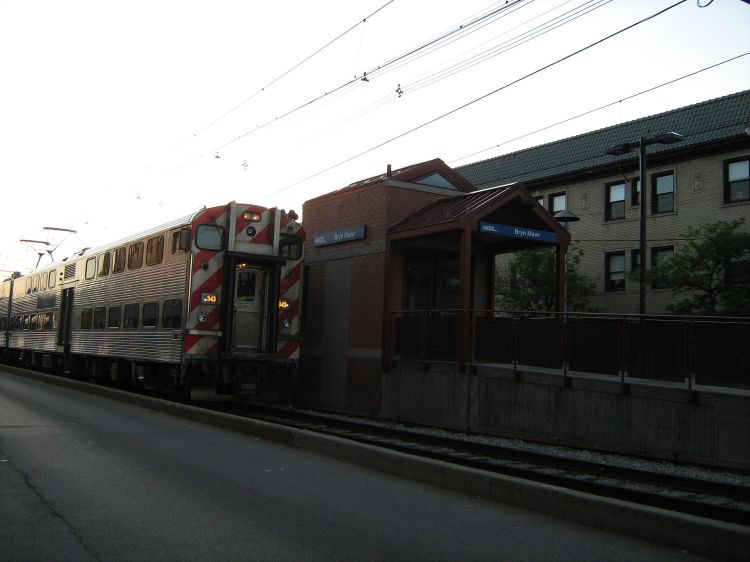
By Carlo Rotella The best spot for ectoplasmic people-watching in South Shore is the raised wooden platform of the Bryn Mawr Metra station at 71st and Jeffery. This is the old Illinois Central station that formed the principal bud from which this neighborhood on the South Side of Chicago grew in the late nineteenth century, […]
Margaret O’Mara Professor of History University of Washington Describe your current research. What about it drew your interest? I’m currently working on a book about the history of the American high-tech industry—from semiconductors to social media—and its relationship to the worlds of politics and finance. My interest and intent here is, to adapt a phrase, […]
By Carl Abbott The picture window in the modest suburban house in Belle Reve, New Jersey is marred by a long crack from top to bottom. Built for World War II veterans, its foundation is cracking after a dozen years and there’s no money to fix the fifteen-foot window that supposedly signaled upward mobility. Forward […]
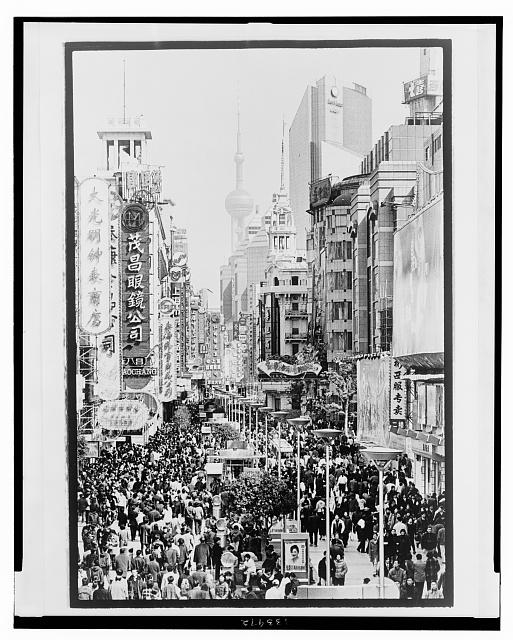
By Kristin Stapleton Over the past thirty years, Chinese cities have boomed – more than 100 Chinese cities have populations of over a million, and the world’s newest skyscrapers are continuously reshaping their skylines. Fiction that can be characterized as “urban” is less common in China than in many other parts of the world, however. […]
By Brian Tochterman Across the banner of “The Metropole” as I write spans the George Washington Bridge, the majestic and modern steel link between the Washington Heights neighborhood of Manhattan and the city of Fort Lee, New Jersey, although those that cross it typically seek points far beyond those two ends. The “GWB” serves as […]