Editors Note: When museums and movie theaters were shuttered in March, The Metropole suspended its reviews of shows and films relevant to urban history. As we make our tentative way back to museums, some just beginning to re-open, we may encounter a changed city. The anxiety, frustration, and sometimes sheer rage following months of pandemic […]
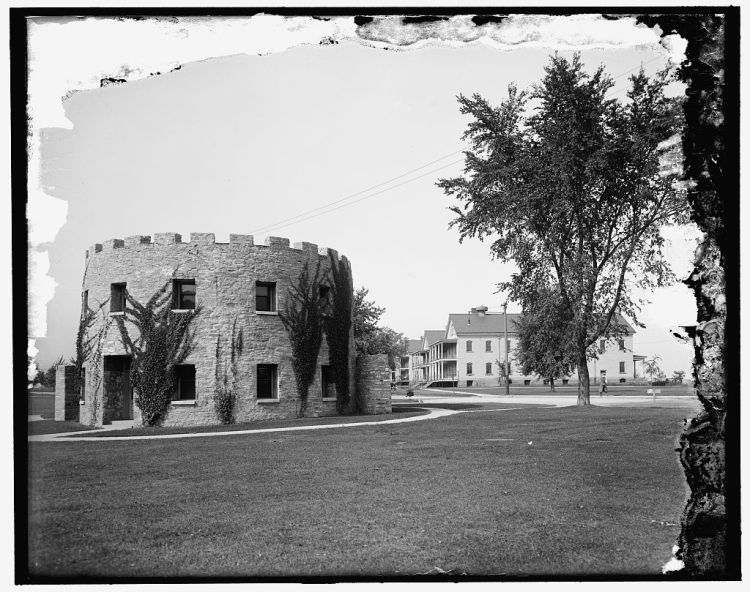
By Avigail Oren The recent work of historical anthropologist Katherine Hayes has focused on decolonizing the narratives interpreted at public heritage sites, including St. Paul’s Historic Fort Snelling at Bdote. The United States military constructed Fort Snelling in 1819-20 to protect the area’s fur trade, a role it served until Minnesota gained statehood in 1858 […]
The Urban History Association/The Metropole Graduate Student Blogging Contest was established to promote blogging among graduate students–as a way to teach beyond the classroom, market their scholarship, and promote the enduring value of the humanities. The theme of the fourth annual contest ended up being “Stretch,” which seemed appropriately ironic after our initial theme idea (“Pandemonium”) […]
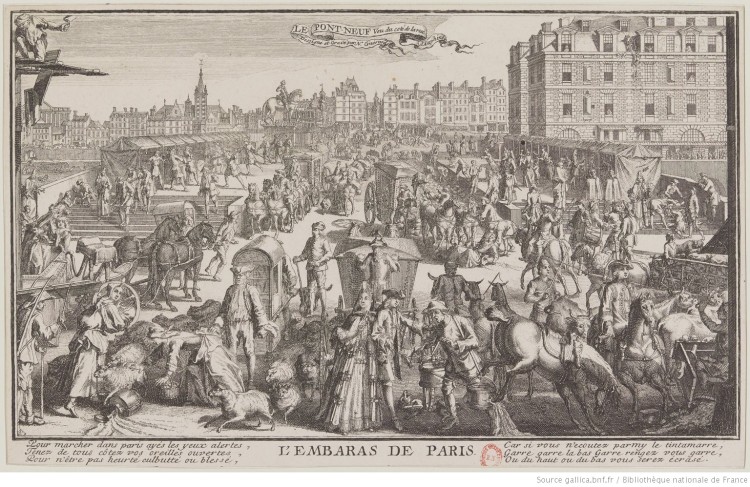
The Metropole Bookshelf is an opportunity for authors of forthcoming or recently published books to let the UHA community know about their new work in the field. By Brian Ladd My new book, The Streets of Europe, mostly ends a century ago, so it’s not about cars, but it would not have happened without their […]
Cheng, Irene, Charles L. Davis II, and Mabel O. Wilson, eds. Race and Modern Architecture: A Critical History from the Enlightenment to the Present. Pittsburgh: University of Pittsburgh Press, 2020. Reviewed by Vita Baselice When I proposed to organize a symposium on the topic of race and architecture, I received some resistance. One colleague asked […]
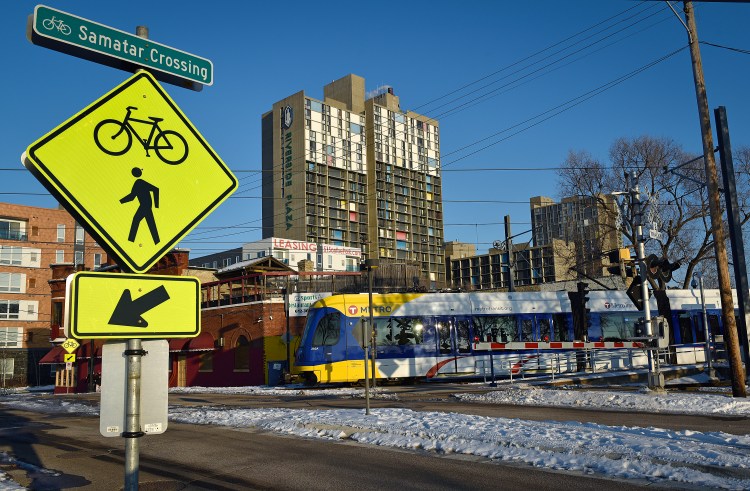
By Stefanie Chambers & Betsy Kalin This post focuses on the Somali American experience in the Twin Cities of Minneapolis and St. Paul, Minnesota. We are currently in the process of making a documentary film about this important community. Interestingly, the film is the result of a collaboration between a professor (Chambers) who wrote a […]
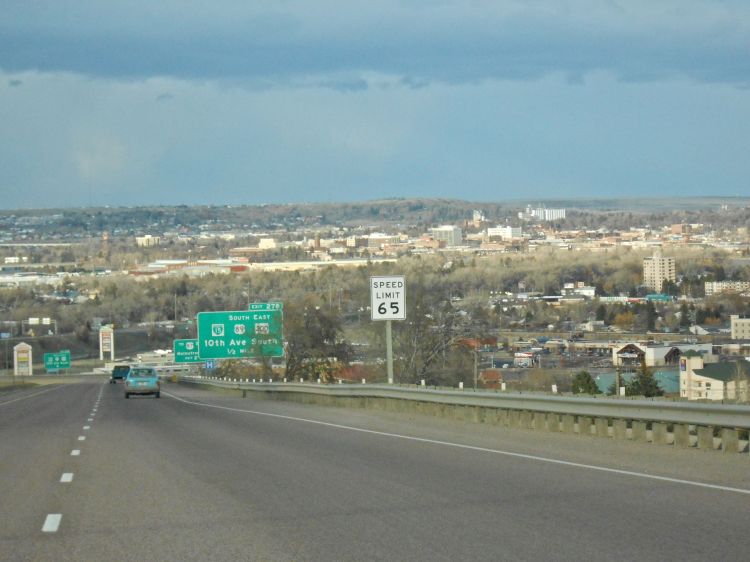
By Troy A. Hallsell When I first moved to Great Falls, Montana, in the summer of 2018 two things leapt out at me. First, the city had a well-developed, though not particularly well-maintained, park system. This was not much of a surprise; most cities founded or already established by the early twentieth century developed a […]
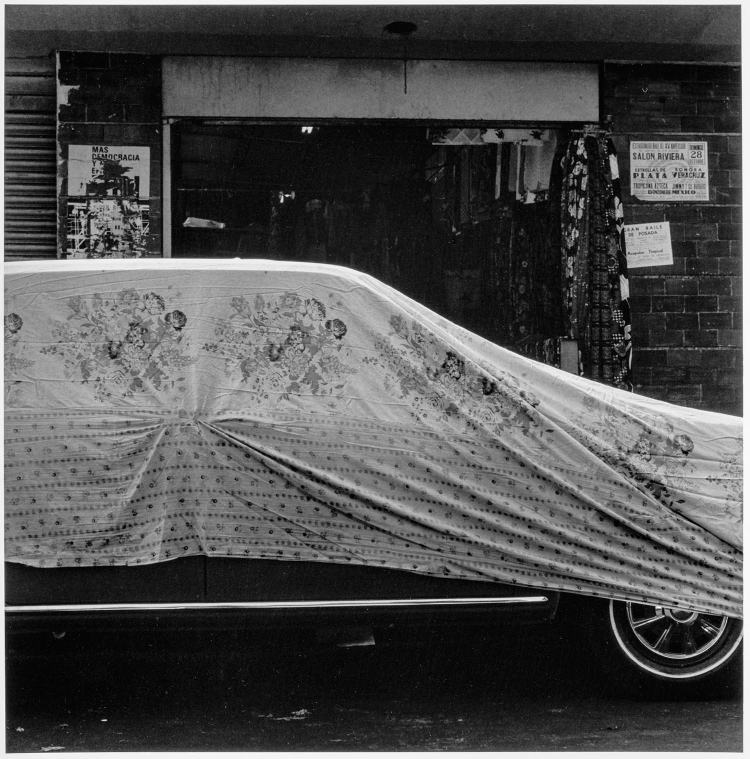
Aperture 236 (Fall 2019). Reviewed by Brian Harkin The Mexico City issue of Aperture—the glossy photography magazine that publishes a themed issue every quarter—opens with a feature on Graciela Iturbide, the celebrated Mexican documentarian of life in black and white. In one of her photographs from 1972, a car under a flower-print sheet is parked in […]
By Michael J. Lansing Dakota people call it Owámniyomni. For centuries, they envisioned the Mississippi River’s largest waterfall as a sacred place. The fifty-foot drop harbors an intense spiritual energy. In the 1820s, the arrival of the United States government—in the guise of white soldiers—gave rise to a new understanding of the falls they called […]
The Metropole’s listing of recent, forthcoming, or overlooked writing. Recent Books Driving While Black: African American Travel and The Road to Civil RightsBy Gretchen Sorin, Liveright, 2020 Overground Railroad: The Green Book and The Roots of Black Travel In AmericaBy Candacy Taylor, Abrams Press, 2020 See the USA in your Chevrolet America is asking you […]



 The Metropole