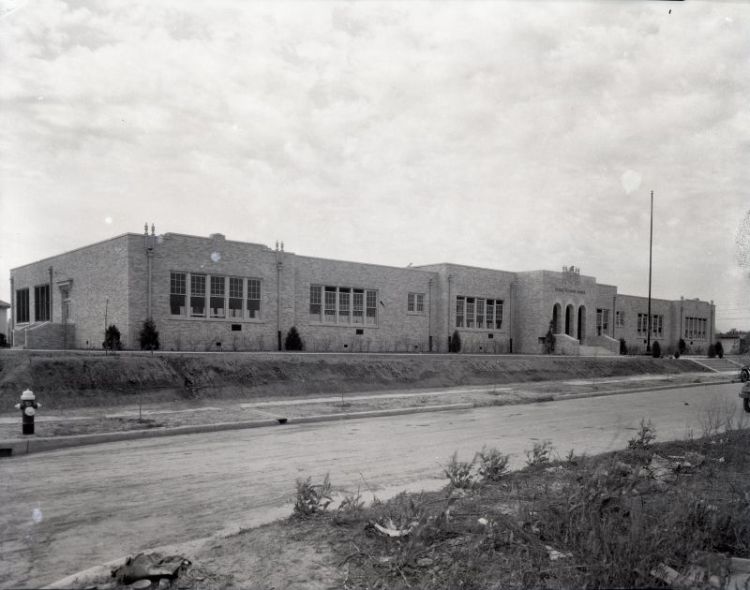
This piece is an entry in our Eighth Annual Graduate Student Blogging Contest, “Connections.” by Jeremy Lee Wolin During the era of formal segregation, Black communities across the United States created thousands of schools to provide the education that white schools would not allow their students to receive. From the 1950s to the 1970s, the same […]
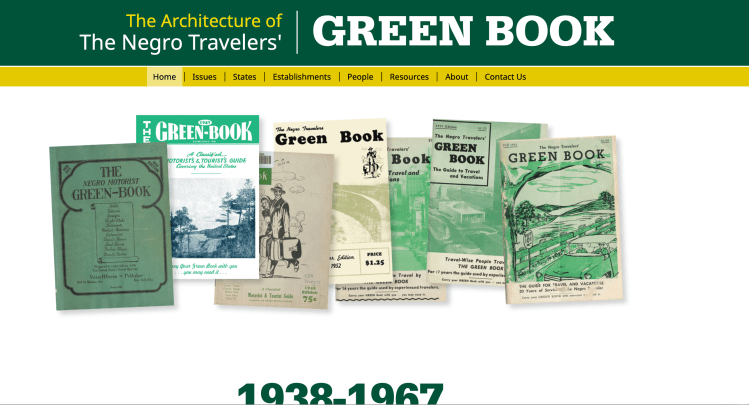
During the summer of 2016, architectural historians Anne E. Bruder, Susan Hellman, and Catherine W. Zipf came together over their shared interest in documenting the history of The Negro Travelers’ Green Book, more commonly referred to as simply “the Green Book.” As noted in their interview below, a series of conference engagements led to the […]
By J. Mark Souther Few things embody the freedom of American life more than mobility, and perhaps no other form of transportation, for better and worse, has defined mobility in the United States like cars. Yet in the era of Jim Crow, mobility for Black families could be dangerous, even deadly; hence the need for […]
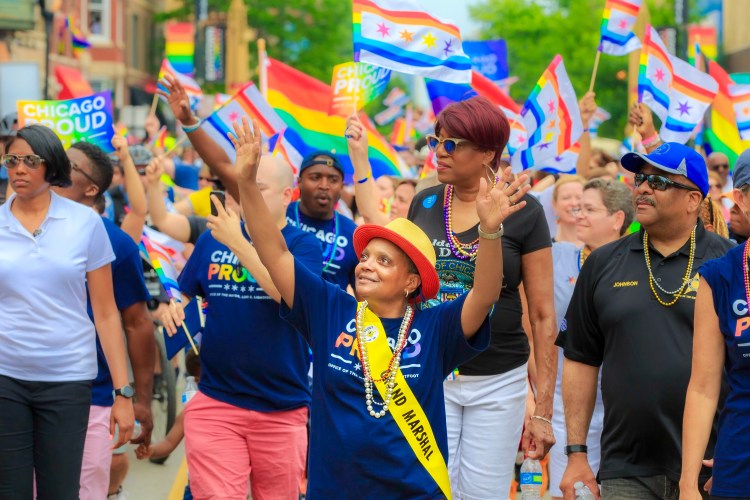
Sharon D. Wright Austin, ed. Political Black Girl Magic: The Elections and Governance of Black Female Mayors. Philadelphia: Temple University Press, 2023. Reviewed by Sarena Martinez Political Black Girl Magic: The Elections and Governance of Black Female Mayors, edited by political scientist professor Sharon D. Wright Austin, is a trailblazing volume that draws together twenty-two […]
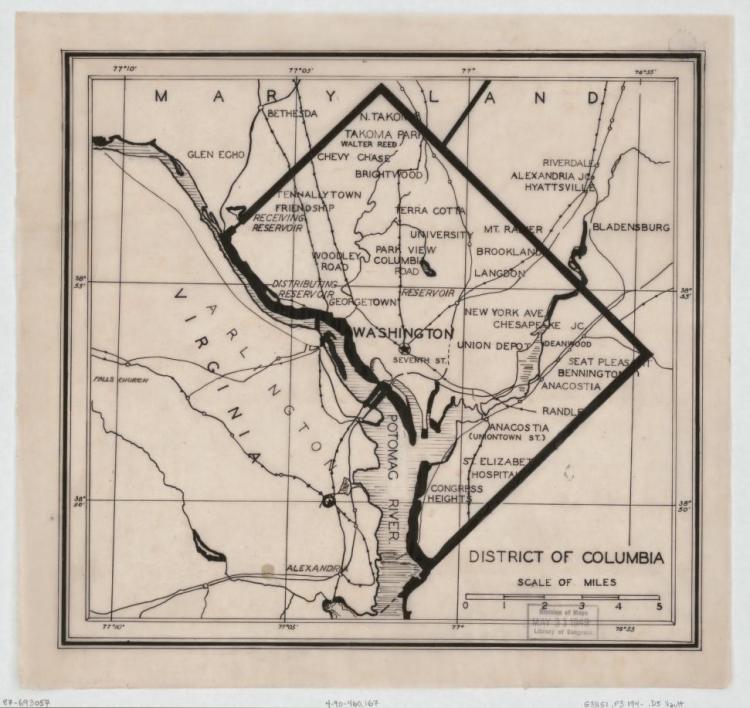
“Self-government died early in the District,” note historians Christopher Asch and G. Derek Musgrove. “Not even a generation after Americans went to war to protest ‘no taxation without representation,’ Congress stripped Washingtonians of democracy’s basic unit of currency, the right to vote.”[1] As they demonstrate in their 2017 work Chocolate City: A History of Race […]
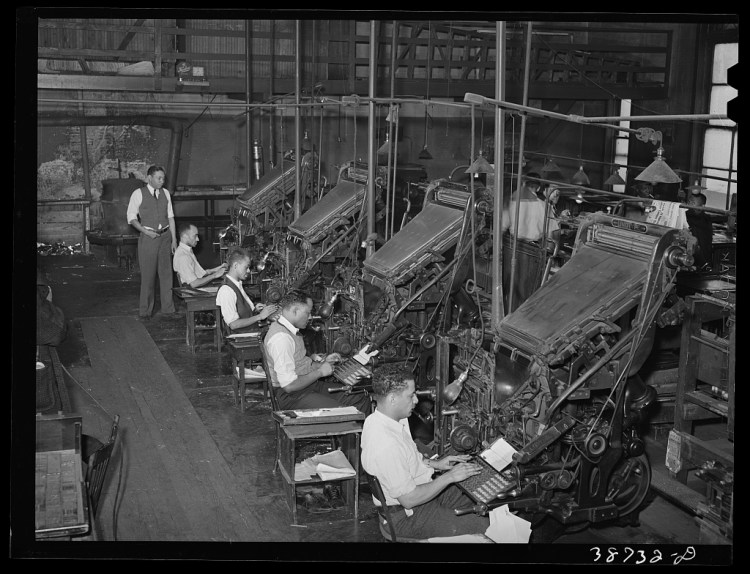
Begun initially as a blog in 2015, before expanding to include photographs, maps, and other historical artifacts, Building the Black Press explores the publishing plants, corporate offices, and production spaces used by Black periodicals and their contributors from the nineteenth century to the present day. It highlights why Black press buildings matter—as sites of historic […]
While not completely ignored among urbanists, for a city of its size and significance, Washington, DC—or at least its post-1968 incarnation—remains an under-historicized metropolis. To be fair, historians like Scott Berg and J. D. Dickey have tackled its beginnings in the nineteenth century. James H. Whyte, Ronald Johnson, Carol Gelderman, Sharon Harley, and others have […]
Editor’s note: In anticipation of the Urban History Association’s 2023 conference being held in Pittsburgh from October 26 – October 29, The Metropole is making the Steel City its Metropolis of the Month for January 2023. The CFP remains open until February 20, 2023. See here for details. By Jessica Klanderud Years ago, as I […]
Editor’s note: In anticipation of the Urban History Association’s 2023 conference being held in Pittsburgh from October 26 – October 29, The Metropole is making the Steel City its Metropolis of the Month for January 2023. The CFP remains open until February 20, 2023. See here for details. By David S. Rotenstein Introduction Pittsburgh is […]
By David S. Rotenstein In 2009 I learned about one African American woman who briefly lived in Silver Spring, Maryland, a Washington, DC, suburb. She worked for a white physician’s family. Lucille Walker’s story as a Black domestic worker survives in bits and pieces in the memory of the physician’s daughter, Ann Scandiffio. In 1939 […]