In recent years, the American public has been treated to a number of films about the 2008 housing crisis: the insightful documentary “The Queen of Versailles”, the dark, simmering “99 Homes”, and the Oscar nominated “The Big Short” to name a few. For all the critical acclaim bestowed upon each, with the exception of a […]
By William Burg Jane Jacobs Walks are a continent-wide series of walks and bike rides based on the principles of Jane Jacobs, author of The Death and Life of Great American Cities. Written in an era when American cities promoted the suburb and the automobile, turning their backs on downtowns and older neighborhoods, Jacobs’ seminal […]
Like many collaborative digital projects, The Metropole is entirely assembled via remote correspondence; as co-editors, Ryan and I send daily emails between Washington, D.C. and Pittsburgh. In between editing submissions, we brainstorm future blog posts and trade banter about music, books, and movies. Ryan approaches pop culture with a typically Gen X cynicism, while I […]
On the song “All the Wine” from the 2005 album Alligator by The National, lead singer Matt Berninger croons, “I’m put together beautifully, big wet bottle in my fist, big wet rose in my teeth, I’m a perfect piece of ass like every Californian … I’m a festival, I’m a parade.” Hailing from Brooklyn and […]
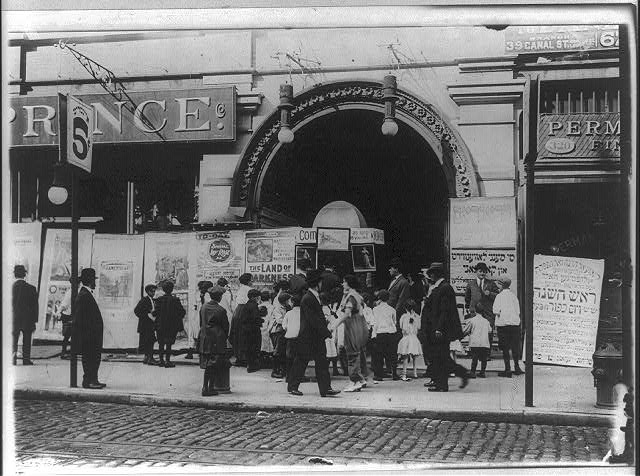
By Sonia Gollance and Joel Berkowitz The history of Yiddish theatre is embedded – quite literally – in urban space. If you walk past the Chase Bank on the site of the former Second Avenue Deli in New York City’s East Village neighborhood, the sidewalk is emblazoned with the “Yiddish Theatre Walk of Fame” – […]
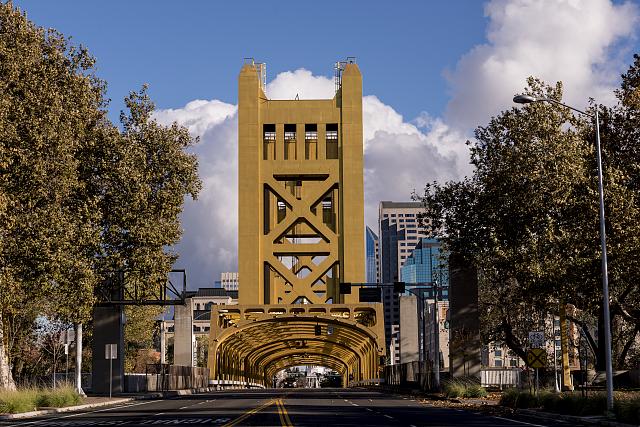
By Chris Lango The city of Sacramento has acquired so many slogans, nicknames and monikers through the years it’s tough to keep track: Gateway to the Gold Rush, City of the Plains, City of Trees, the Big Tomato, River City, America’s Most Diverse City, Capital of the 6th Largest Economy in the World, America’s Farm-to-Fork […]
By William Burg Historian Clarence Caesar described Sacramento’s African American community from 1880 to 1940 as “the settled years,” in contrast to the civil rights struggles of the Gold Rush and Civil War era and the Civil Rights era following the Great Migration of African Americans to California during and after World War II. Sacramento’s […]
By Steven M. Avella I grew up in Sacramento during the 1950s and 1960s. The twin poles of my life were the Catholic Church and the Sacramento Bee. I was a newsboy for the latter for five years (Route #3491—suburban Orangevale). I later became a Catholic priest and a professional historian. I have been teaching […]
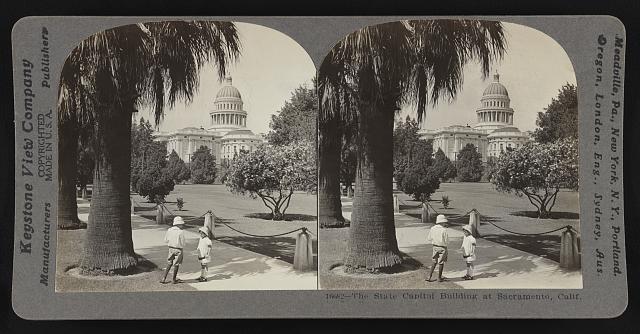
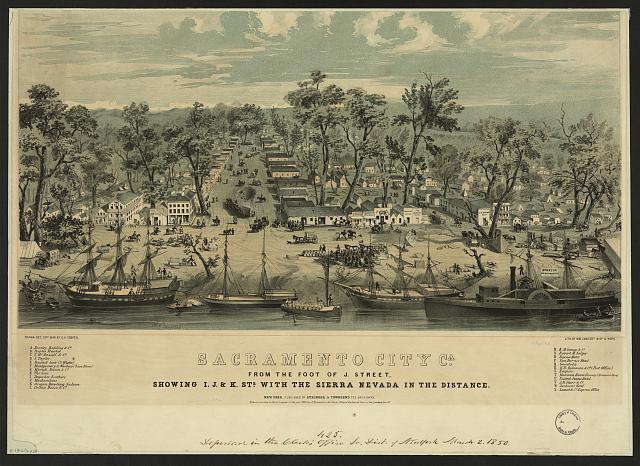
By Amanda DeWilde In 1850, Sacramento became a city…at least on paper. At the start of the decade, Sacramento was without much of what defines a city (and Sacramento in particular). It had no flood or fire control, no police, no jails, no state capital, and no railroads. Among the city’s hundreds of structures there […]
In Sarah Polley’s 2013 film, “Stories We Tell”, the Canadian filmmaker conducts an exploration of her mother, Diane Polley, who died when the director was 11. Navigating Diane Polley’s history proves more complex and elusive than one might think. “There are many stories to tell, partly because there was nothing neat about Diane Polley, the […]