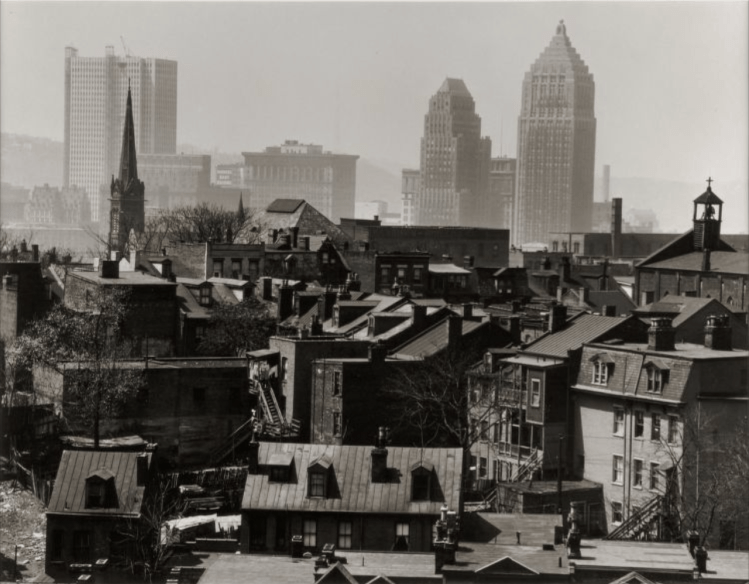
By Dan Holland Pittsburgh’s mid-twentieth century renaissance is often hailed as a transformational makeover for a city desperately trying to escape its smoky past. Male leaders such as Pittsburgh Mayor David Lawrence (1889-1966), who would become Pennsylvania’s 37th governor, Richard King Mellon (1899-1970), the Mellon Bank financier, and Edgar Kaufmann (1885-1955), who directed Kaufmann’s Department […]
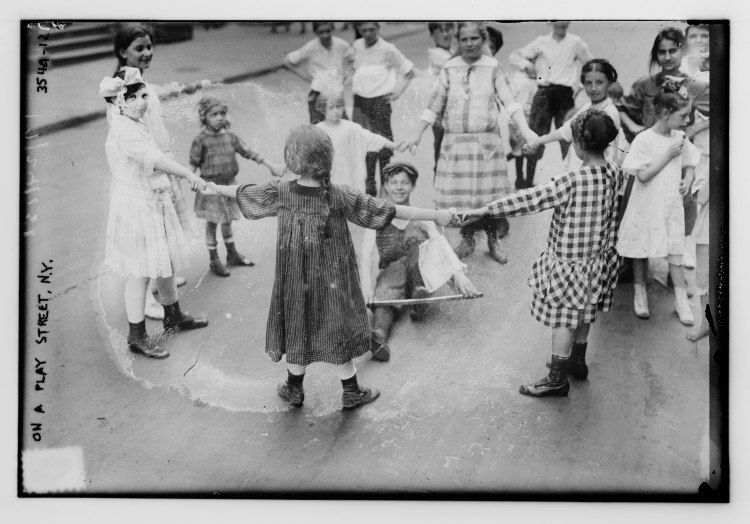
We at The Metropole are excited to issue a call for our next theme month: Cities at Play We welcome submissions about any aspect of play, recreation, or leisure in the urban environment. How have cities uniquely shaped the way their inhabitants play, and how has play in turn shaped the built environment, the social […]
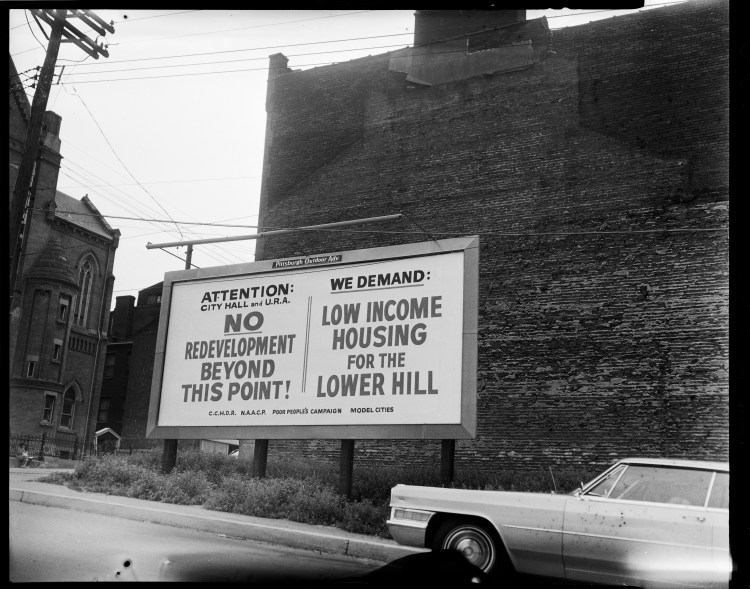
By Dan Holland The passage of Pittsburgh’s first fair housing law in 1958, the second in the nation, and Pennsylvania’s in 1961 (also among the first statewide fair housing laws in the nation), were rare civil rights victories at a time when record numbers of African Americans were being relocated under the federal urban renewal program. The […]
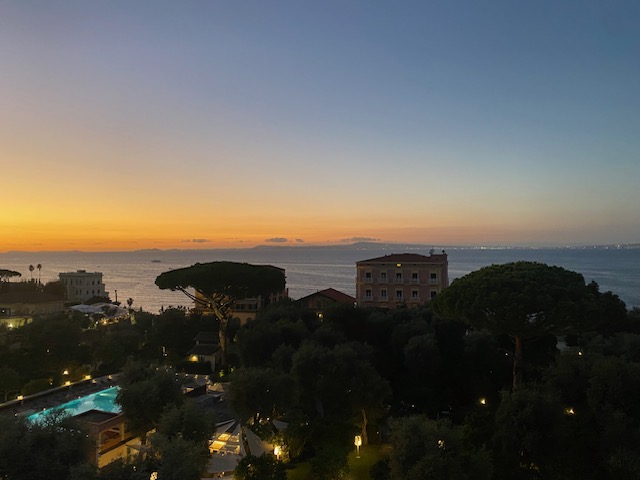
This is the seventh post in Urban and Environmental Dialogues, our January collaboration with the Network in Canadian History and Environment (NiCHE). For other entries in the series, see here. By Sara B. Pritchard Ryan Reft’s recent photograph, “Sorrento Italy at night” (Figure 1), opened the Network in Canadian History and Environment and Urban History Association Call for Papers […]
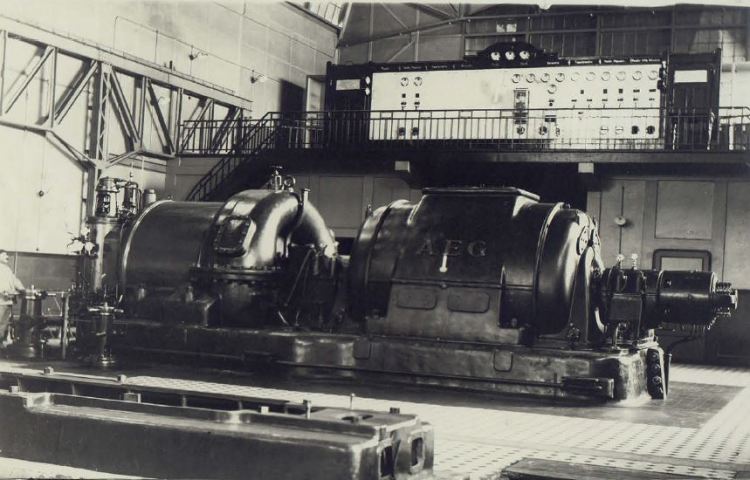
This is the sixth post in Urban and Environmental Dialogues, our January collaboration with the Network in Canadian History and Environment (NiCHE). For other entries in the series, see here. By Yohad Zacarías S. Between 1920 and 1930, the Chilean Electric Company Limited, Santiago Municipality, and the Chilean government built 100 electric substations to transmit and distribute electrical power […]
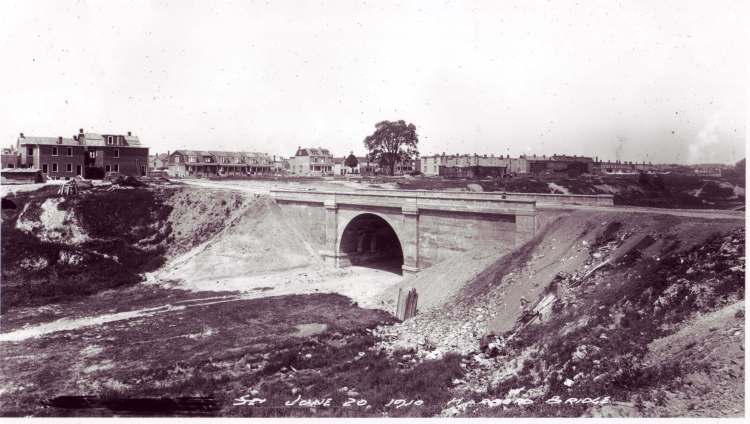
This is the fifth post in Urban and Environmental Dialogues, our January collaboration with the Network in Canadian History and Environment (NiCHE). For other entries in the series, see here. By John Bessai I used to study cities through their official monuments, statues and commemorative plaques. In the process, I started to understand cities through natural elements, including stones, […]
Call for Student Applications University of Cincinnati, Cincinnati, OhioThursday, October 15, 2026 Applications due: March 1, 2026 The Society for American City and Regional Planning History (SACRPH) announces the opening of student applications for the inaugural Alison Isenberg Dissertation Colloquium, to be held on the afternoon of Thursday, October 15, 2026, in conjunction with its biennial National […]
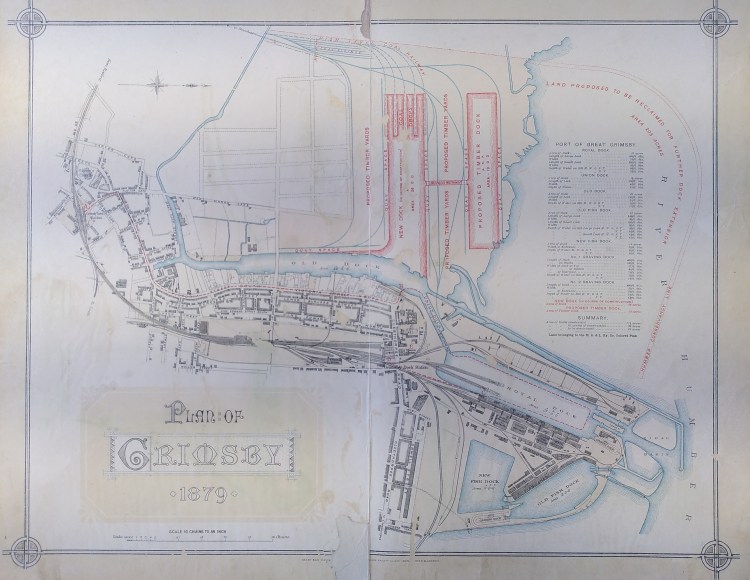
This is the third post in Urban and Environmental Dialogues, our January collaboration with the Network in Canadian History and Environment (NiCHE). For other entries in the series, see here. By Sam Grinsell On the 18th of April, 1849, Prince Albert of Saxe-Coburg and Gotha (husband of Queen Victoria) laid the foundation stone of the Royal Docks, Grimsby. The […]


 The Metropole