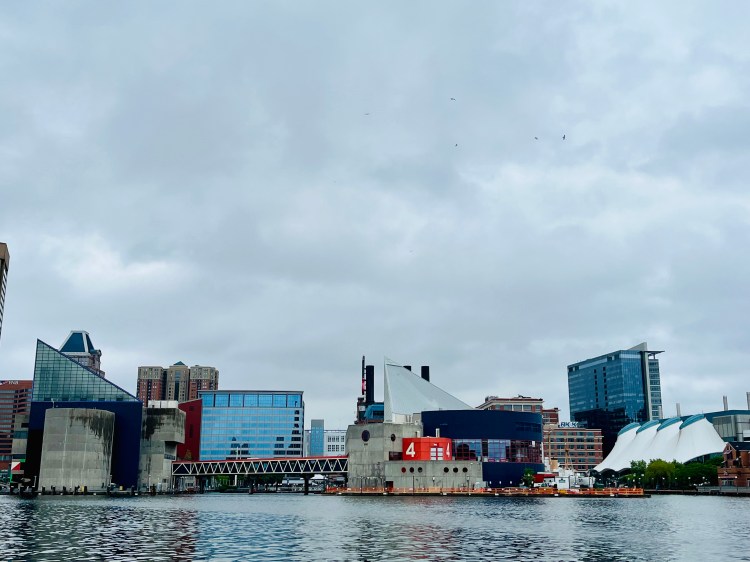
This piece is an entry in our Eighth Annual Graduate Student Blogging Contest, “Connections.” by Weilan Ge American ecologist Loren Eiseley once said, “If there is magic on this planet, it is contained in the water.”[1] The National Aquarium in Baltimore (NAIB) puts this message at the entrance for all visitors to see, illustrating that […]
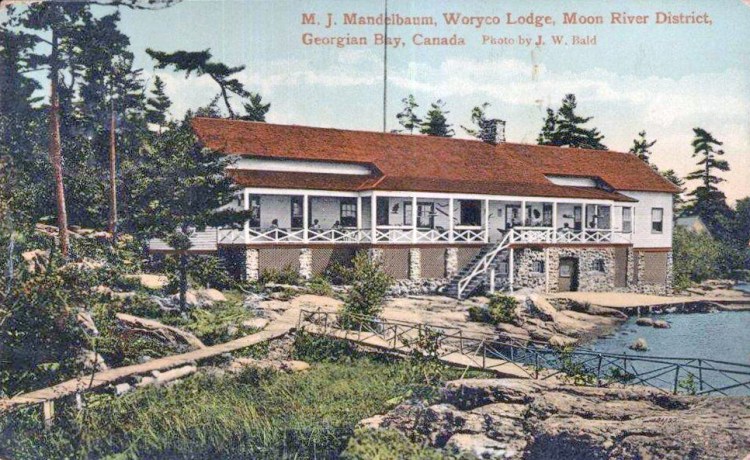
This piece is an entry in our Eighth Annual Graduate Student Blogging Contest, “Connections.” by Matthew Adair For many Americans, summer is a season of travel. The ritual of leaving home for somewhere more relaxing (or invigorating) has a long history. Since at least antiquity, “escaping the city” has been a common tradition among the […]
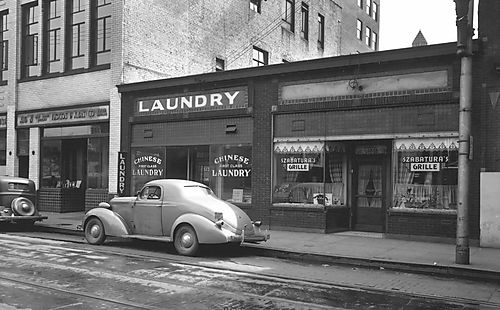
This piece is an entry in our Eighth Annual Graduate Student Blogging Contest, “Connections.” by Jackie Wu Chinese-owned laundries dotted the urban landscape of Pittsburgh, Pennsylvania, from the late nineteenth century well into the post-World War II years. Tucked in between houses, restaurants, and other businesses, the number of Chinese laundries peaked in the 1930s […]
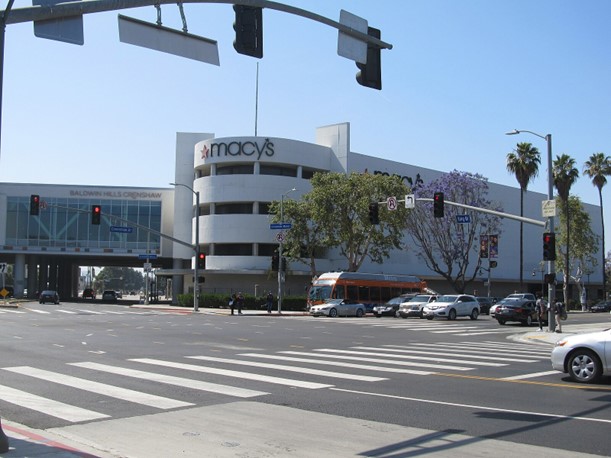
This piece is an entry in our Eighth Annual Graduate Student Blogging Contest, “Connections.” by David Bruno During the mid to late twentieth century, shopping centers in America served as community cornerstones, providing communal spaces and establishing national social and cultural connections based on mutual shopping experiences and product consumption. Weakening regional differences and contributing […]
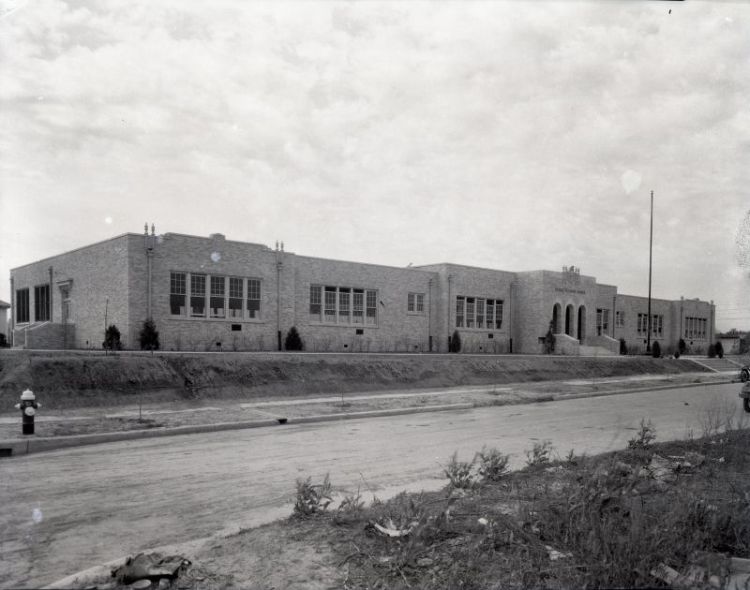
This piece is an entry in our Eighth Annual Graduate Student Blogging Contest, “Connections.” by Jeremy Lee Wolin During the era of formal segregation, Black communities across the United States created thousands of schools to provide the education that white schools would not allow their students to receive. From the 1950s to the 1970s, the same […]
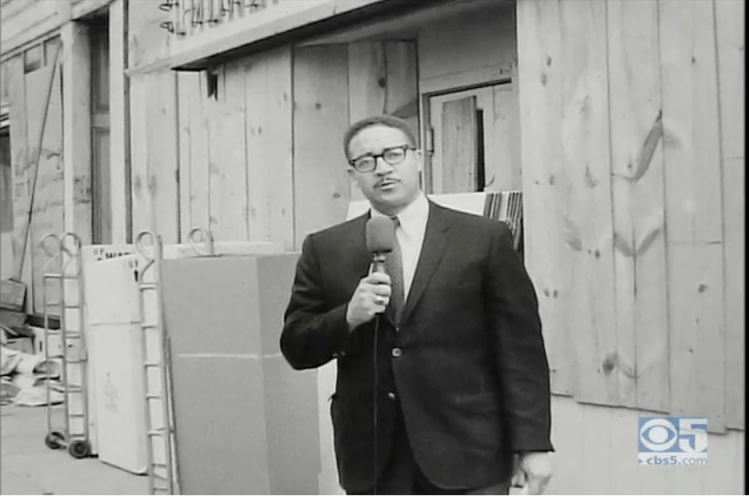
This piece is an entry in our Eighth Annual Graduate Student Blogging Contest, “Connections.” by Andrew Allio The camera pans along the street, highlighting the abandoned buildings. Midway down the block, a bulldozed lot is littered with broken concrete, plywood, and other construction debris. It is May 9, 1967, and Ben Williams of KPIX News […]
This piece is an entry in our Eighth Annual Graduate Student Blogging Contest, “Connections.” by Matthew McKeown Third places are spaces people go to get away from work and home life. These spaces are vital for connecting community members and essential for urban renewal. Recently, there have been arguments about the decline of third places.[1] […]
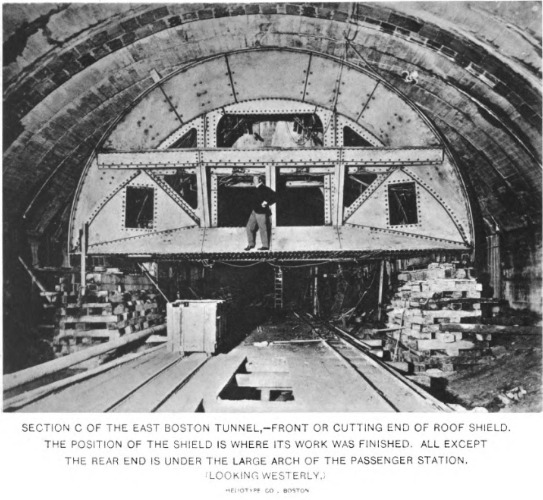
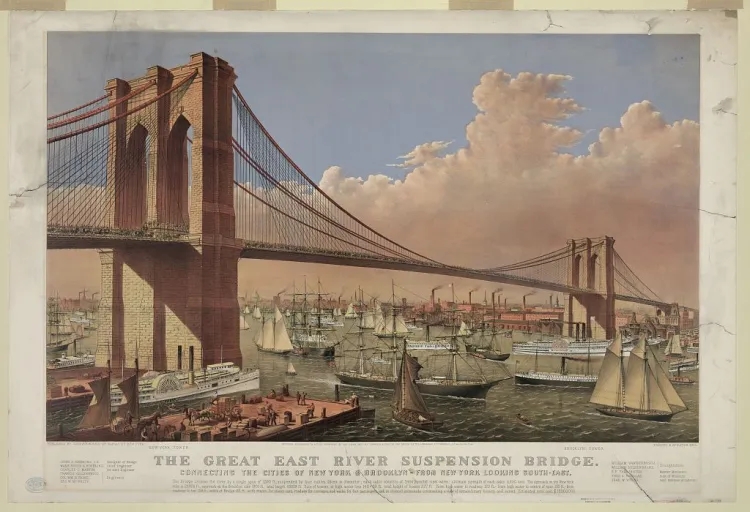
This piece is an entry in our Eighth Annual Graduate Student Blogging Contest, “Connections.” by Genna Kane Bostonians grumbled and complained when the Sumner Tunnel closed again in the Summer of 2024, demonstrating the significance of underwater connections to East Boston. The City of Boston annexed East Boston in 1836, but the harbor strained East […]
It is September, and here at The Metropole that means it is time to publish entries to the Graduate Student Blogging Contest. Now in its eighth year, the contest is intended to encourage students to write pieces for a public-facing, online platform and share their research with a broad audience. Beginning Thursday and extending into […]
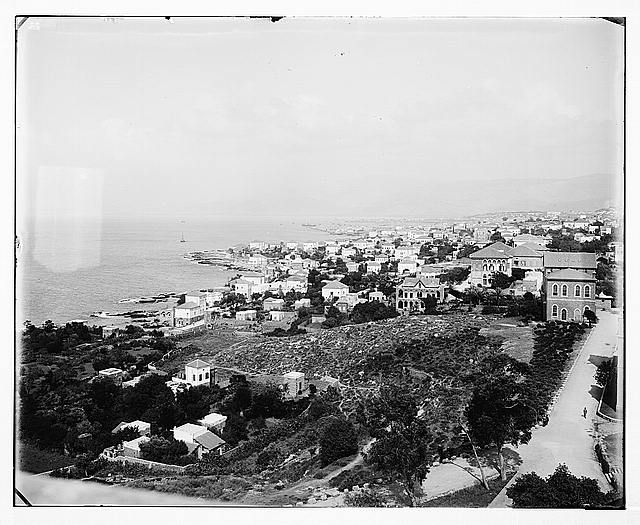
On August 4, 2020, a massive explosion ripped through the heart of Beirut, Lebanon. While the devastation left by the blast was followed by a series of reconstruction efforts, it has remained difficult to document, map, and support the living heritage of the city, especially regarding its small creative businesses. The Living Heritage Atlas | […]


 The Metropole